Growing Information

Growing zone guide
Growing Zone Zone 3, Zone 4, Zone 5, Zone 6, Zone 7, Zone 8, Zone 9
Sunlight Bright light to partial shade
Type of Soil Slightly acidic to neutral
Mature Height 12 to 16 inches
Maintenance Level Low maintenance
Water Requirement Moderate watering (once a week)

Learn more about this plant

Additional Information
Growth Rate
  • Growth Rate: Moderate to fast, reaching its mature size within 1-2 growing seasons.
  • Mature Size: Grows to a height of 10-12 inches with a spread of 12-18 inches, forming a compact, dense clump.
Colorful Leaves No
Flowering Yes
Bloom Color Yellow
Ornamental Berries N/A
Disease resistant Yes
Cold Tolerant Yes
Heat Tolerant Yes
Drought Tolerant Yes
Deer Resistant No
Edible Yes
Wildlife Attraction

Mango Stella® is a pollinator-friendly plant that attracts bees, butterflies, and other beneficial insects with its vibrant, nectar-rich flowers. The compact foliage also offers shelter for small insects and wildlife, enhancing its ecological value in the garden.

Self-pollinating Self-pollinating
Seasonality
  • Seasonality: Herbaceous perennial; dies back in winter and regrows in spring.
  • Flowering Season: Late spring to fall, with peak bloom in early summer. Mango Stella® is a re-blooming variety, ensuring color throughout the growing season.
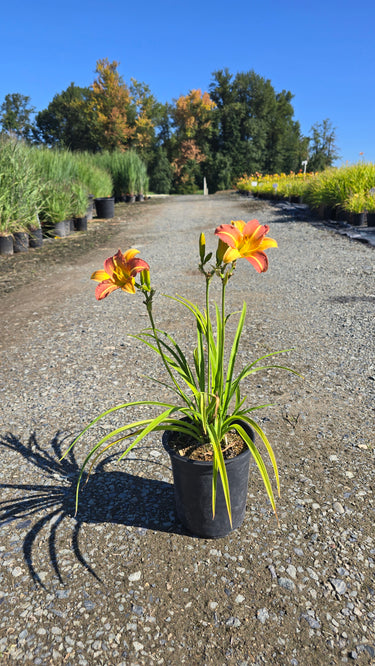
  • Bloom Description: The flowers of Mango Stella® are a striking mango-orange color with a golden-yellow throat. Each trumpet-shaped bloom is about 2.5-3 inches wide, lasting for one day but continually blooming over weeks with multiple buds per stalk.
Ideal For

Front of borders – edging – mass plantings – containers – pollinator gardens – low-maintenance perennial beds

Leaf Description

The foliage of Mango Stella® consists of slender, arching, bright green leaves that form a neat, grass-like mound. The foliage remains attractive throughout the growing season, providing structure and texture to the garden, even when the plant is not in bloom.

Flower Description

The blooms are a vivid mango-orange with golden overtones, showcasing a lightly ruffled edge. Each flower is trumpet-shaped, about 3 inches wide, and lasts just one day, though the plant blooms prolifically and continuously during its season. The flower stalks (scapes) rise slightly above the arching green foliage.

Pruning & Maintenance

Pruning is minimal for Mango Stella®. Deadhead spent blooms regularly to encourage continuous flowering throughout the season. In late fall or early spring, cut back the dead foliage to the ground to allow new growth to emerge. Removing old flower stalks and leaves helps maintain a neat appearance and promotes re-blooming.

Water Needs

Mango Stella® is relatively drought-tolerant once established but benefits from consistent moisture, especially during its blooming period. Water regularly during the first growing season to help establish strong roots. After that, water as needed during dry periods, ensuring that the soil remains moist but not waterlogged.

Light Needs

Thrives in full sun to partial shade. For the best bloom performance and foliage color, plant Mango Stella® in a location that receives at least 6 hours of direct sunlight per day. It can tolerate partial shade, but too much shade may reduce the number of blooms.

Harvesting

While Mango Stella® is not typically harvested for cut flowers due to the short lifespan of each bloom, the bright, tropical-colored flowers can be enjoyed in floral arrangements for a single day. Harvest in the morning when the flowers are fully open for best results.

Fertilizing

Fertilize in early spring with a balanced, slow-release fertilizer or organic compost to encourage healthy growth and abundant blooms. A second light feeding after the first flush of blooms can help extend the flowering period. Avoid over-fertilizing, as this can lead to excessive leafy growth rather than more blooms.

Additional Care Tips
  • Mulching: Apply a 2-3 inch layer of mulch around the base to retain moisture, regulate soil temperature, and suppress weeds.

  • Pest and Disease Resistance: Mango Stella® is highly resistant to pests and diseases, making it a reliable and low-maintenance choice for gardens. Good air circulation and proper watering practices help prevent fungal issues, such as rust or leaf spot.

  • Winter Care: In colder climates, Mango Stella® will die back to the ground in winter. No special winter care is needed; simply cut back the dead foliage and let the plant rest until it regrows in spring.
Pollination

Hemerocallis ‘Mango Stella’ is self-pollinating but benefits from insect activity, especially bees, which assist in transferring pollen from flower to flower. Though capable of setting seed, it’s primarily grown for its repeat-flowering display rather than for seed production.

Companion Plants

Pairs well with other compact sun-loving perennials such as Coreopsis, Salvia, Nepeta (catmint), Echinacea, and dwarf ornamental grasses like Festuca glauca. It also complements low-growing Sedum, Dianthus, and Gaillardia, offering continuous color contrast and textural diversity in borders or mass plantings.

Flowering and Seasonality
  • Seasonality: Herbaceous perennial; dies back in winter and regrows in spring.
  • Flowering Season: Late spring to fall, with peak bloom in early summer. Mango Stella® is a re-blooming variety, ensuring color throughout the growing season.
  • Bloom Description: The flowers of Mango Stella® are a striking mango-orange color with a golden-yellow throat. Each trumpet-shaped bloom is about 2.5-3 inches wide, lasting for one day but continually blooming over weeks with multiple buds per stalk.

The blooms are a vivid mango-orange with golden overtones, showcasing a lightly ruffled edge. Each flower is trumpet-shaped, about 3 inches wide, and lasts just one day, though the plant blooms prolifically and continuously during its season. The flower stalks (scapes) rise slightly above the arching green foliage.

Pet Friendly

No

Growing Zone
  • Zone 3
  • Zone 4
  • Zone 5
  • Zone 6
  • Zone 7
  • Zone 8
  • Zone 9

Click to enlarge