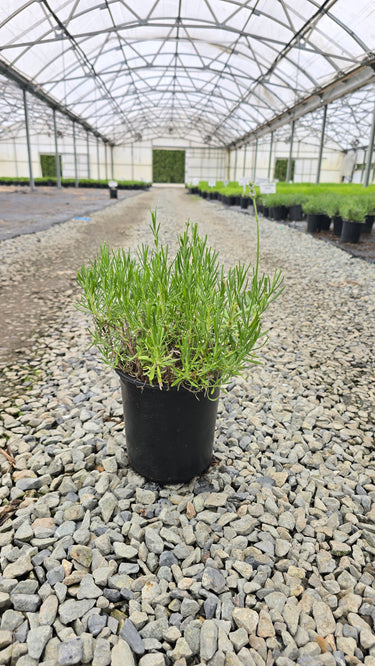
Growing Information

Growing zone guide
Growing Zone Zone 5, Zone 6, Zone 7, Zone 8, Zone 9
Sunlight Bright light
Type of Soil Neutral to alkaline
Mature Height 10 to 12 inches
Maintenance Level Low maintenance
Water Requirement Low watering (once every 2 weeks)

Learn more about this plant

Additional Information
Growth Rate
  • Growth Rate: Moderate growth rate. It reaches its mature size in about 2-3 years.
  • Mature Height: Grows to a height of 12-16 inches with a spread of 18-24 inches, creating a neat, compact mound.

Colorful Leaves Yes
Flowering Yes
Bloom Color Purple & Lavender
Ornamental Berries N/A
Disease resistant Yes
Cold Tolerant Yes
Heat Tolerant Yes
Drought Tolerant Yes
Deer Resistant Yes
Edible Yes
Wildlife Attraction
  • Pollinators: Attracts bees, butterflies, and other beneficial insects, supporting local biodiversity.
  • Wildlife Resistant: Resistant to deer and rabbits, making it ideal for areas with frequent wildlife visits.
Self-pollinating Self-pollinating
Seasonality
  • Blooming Season: 'Blue Cushion' produces its first blooms in late spring to early summer (May to July). It often has a second flush of flowers in late summer or early fall.
Ideal For

– Rock gardens – borders and edging – herb gardens – Mediterranean-style landscapes – containers – pollinator gardens – low hedges – dried or cut flower arrangements

Leaf Description

The foliage consists of narrow, gray-green leaves that are aromatic when crushed, contributing to the plant’s overall appeal even when it’s not in bloom

Flower Description

The plant showcases spikes of lavender-blue flowers that rise above the mound of silvery-green foliage. These fragrant blooms attract pollinators and create a soft, serene look.

Pruning & Maintenance

Pruning: Prune after flowering to maintain shape and encourage dense growth. Cut back about a third of the plant but avoid cutting into old wood as it may not regenerate.

Water Needs

Low water needs. Water regularly during the first growing season to help establish deep roots. Once established, water only during dry periods. Avoid overwatering, as lavender prefers dry soil.

Light Needs

Requires full sun, at least 6-8 hours of direct sunlight per day. More sun ensures denser growth and more vibrant flowers.

Harvesting

– Best harvested when flowers are just beginning to open – this is when oil content is highest

– Cut flower spikes early in the morning, using sharp scissors or pruners

– Ideal for drying: tie small bundles and hang upside down in a dark, dry, well-ventilated space

– Fresh or dried flowers can be used in sachets, teas, baked goods, or potpourri

– Harvesting also encourages a second flush of blooms later in the season

Fertilizing

Fertilization: Fertilize in early spring with a balanced, slow-release fertilizer, though lavender thrives in lean soils and doesn’t require heavy feeding. Avoid over-fertilization as it can reduce flower production.

Additional Care Tips
  • Pest & Disease: Generally disease-free, though it can suffer from root rot in poorly drained soils. Ensure good air circulation to prevent fungal issues.
  • Winter Care: Hardy in USDA Zones 5-9. In colder climates, mulch around the base of the plant in late fall to protect the roots from extreme cold.
  • Harvesting: Harvest lavender stems when the flowers just begin to open for optimal fragrance and oil quality. Flowers can be dried for use in sachets, potpourris, or culinary purposes.
  • Mulching: Mulch with gravel or sand to help improve drainage and protect the roots.
  • Pollination: Lavender is pollinated primarily by bees and other insects, making it a vital plant for supporting local ecosystems.
Pollination

– Self-pollinating – each plant can produce seeds on its own

– Cross-pollination occurs frequently with help from bees, butterflies, and hoverflies

– Lavandula is highly attractive to pollinators, making it ideal for wildlife-friendly gardens

Companion Plants

Salvia – shares similar sun and soil needs; excellent for pollinator gardens

Echinacea (Coneflower) – complements lavender’s color and attracts bees and butterflies

Thymus (Thyme) – drought-tolerant herb that thrives in similar conditions

Sedum – adds late-season color and thrives in poor, dry soils

Achillea (Yarrow) – resilient, colorful perennial with feathery foliage

Coreopsis – bright contrast to lavender’s blue hues; also drought tolerant

Rosemary – great pairing in herb or Mediterranean gardens

Nepeta (Catmint) – similar growing conditions; soft blue-purple flowers create a layered effect

Flowering and Seasonality
  • Blooming Season: 'Blue Cushion' produces its first blooms in late spring to early summer (May to July). It often has a second flush of flowers in late summer or early fall.

The plant showcases spikes of lavender-blue flowers that rise above the mound of silvery-green foliage. These fragrant blooms attract pollinators and create a soft, serene look.

Pet Friendly

Yes

Growing Zone
  • Zone 5
  • Zone 6
  • Zone 7
  • Zone 8
  • Zone 9

Click to enlarge