Growing Information

Growing zone guide
Growing Zone Zone 4, Zone 5, Zone 6, Zone 7, Zone 8, Zone 9
Sunlight Bright light
Type of Soil Alkaline to neutral
Mature Height 18 to 24 inches
Maintenance Level Low maintenance
Water Requirement Low watering (once every 2 weeks)

Learn more about this plant

Additional Information
Growth Rate

Moderate; quickly establishes and forms clumps within the first growing season.


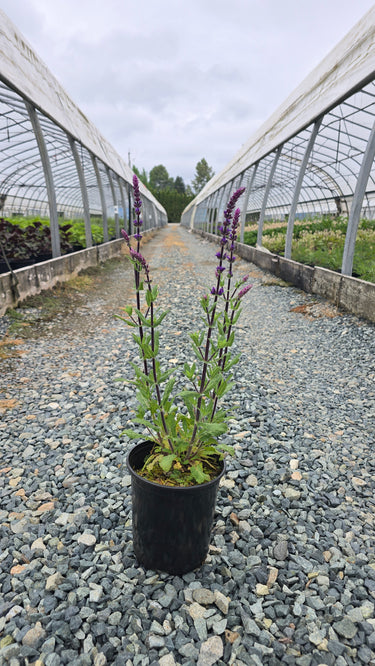
Mature size: 18–24 inches tall and 15–18 inches wide, with upright, slender stems.

Colorful Leaves No
Flowering Yes
Bloom Color Purple & Lavender, Blue
Ornamental Berries N/A
Disease resistant Yes
Cold Tolerant Yes
Heat Tolerant Yes
Drought Tolerant Yes
Deer Resistant Yes
Edible No
Wildlife Attraction

Highly attractive to bees, butterflies, and hummingbirds.


Deer and rabbit resistant due to aromatic foliage.

Self-pollinating Self-pollinating
Seasonality

Spring: Foliage emerges; flowering begins in late spring.


Summer: Main flowering period with potential rebloom after pruning.


Fall: Foliage may persist into early autumn before dying back.


Winter: Dormant; basal clumps remain until cut back.

Ideal For

– Borders, rock gardens, pollinator gardens, mass plantings, cottage gardens, and containers

Leaf Description

Deciduous, lance-shaped leaves are medium green with slightly serrated edges.


Leaves are aromatic when crushed, releasing a pleasant herbal scent.


Foliage forms a tidy, basal mound that remains neat through the season.

Flower Description

Intense violet-purple flower spikes rise above dark purple-black stems, creating dramatic contrast.


Blooms from late spring through mid-summer, with repeat flowering if deadheaded.


Dense spikes of small tubular flowers attract pollinators and provide long-lasting color.

Pruning & Maintenance

Deadhead spent flower spikes regularly to encourage repeat blooms.


After the first flowering flush, cut stems back by one-third to promote a second bloom in late summer.


In late fall or early spring, cut back to the base to rejuvenate for the next season.

Water Needs

Water deeply during the first growing season to establish roots.


Once established, drought tolerant, though regular watering during dry spells enhances blooming.


Avoid overwatering—Salvia prefers dry to moderately moist soil.

Light Needs

Requires full sun (6+ hours daily) for best flowering and upright growth.


Can tolerate light partial shade, though flowering will be reduced.

Harvesting

Flowers can be harvested for fresh or dried arrangements—cut spikes just before full bloom.


Produces small nutlets (seeds) after flowering; not ornamental and rarely used for propagation.


Propagation is best done through division in spring or stem cuttings in early summer.

Fertilizing

Apply a balanced, slow-release fertilizer (10-10-10) in early spring.


Avoid over-fertilizing, which can cause floppy growth and fewer flowers.


Compost or organic mulch once per year is usually sufficient for healthy growth.

Additional Care Tips N/A
Pollination

Insect-pollinated, primarily by bees, butterflies, and hummingbirds.


Self-fertile; does not require cross-pollination to bloom.

Companion Plants

Perennials: Echinacea, Coreopsis, Nepeta, Achillea, and Rudbeckia for complementary color and form.


Grasses: Festuca glauca, Pennisetum, and Miscanthus for texture contrast.


Shrubs: Lavender, Spiraea, and dwarf roses for structured garden borders.


Design tip: Ideal for pollinator gardens, cottage gardens, and modern mixed borders.

Flowering and Seasonality

Spring: Foliage emerges; flowering begins in late spring.


Summer: Main flowering period with potential rebloom after pruning.


Fall: Foliage may persist into early autumn before dying back.


Winter: Dormant; basal clumps remain until cut back.

Intense violet-purple flower spikes rise above dark purple-black stems, creating dramatic contrast.


Blooms from late spring through mid-summer, with repeat flowering if deadheaded.


Dense spikes of small tubular flowers attract pollinators and provide long-lasting color.

Pet Friendly

Yes

Growing Zone
  • Zone 4
  • Zone 5
  • Zone 6
  • Zone 7
  • Zone 8
  • Zone 9

Click to enlarge