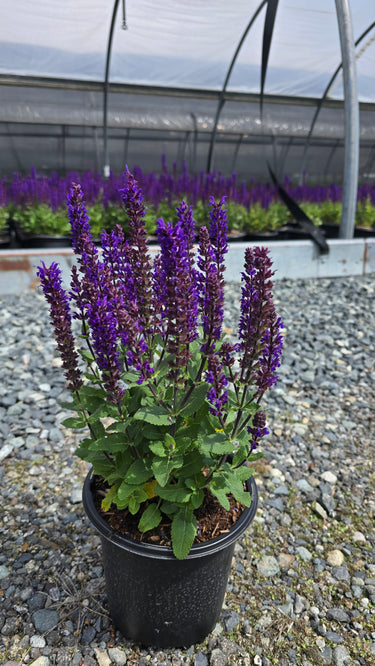
Growing Information

Growing Zone Zone 4, Zone 5, Zone 6, Zone 7, Zone 8, Zone 9,
Sunlight Bright light,
Type of Soil Neutral to alkaline,
Mature Height 18 to 22 inches
Maintenance Level Low maintenance
Water Requirement Low watering (once every 2 weeks)

Learn more about this plant

Additional Information
Growth Rate

Establishment: Moderate; reaches full size within the first growing season.

Mature Size: Height: 18–24 inches; Spread: 12–18 inches.

Colorful Leaves No
Flowering Yes
Bloom Colour Purple & Lavender
Ornamental Berries N/A
Disease resistant Yes
Cold Tolerant Yes
Heat Tolerant Yes
Drought Tolerant Yes
Deer Resistant Yes
Edible No
Wildlife Attraction

Attracts: Pollinators such as bees, butterflies, and hummingbirds; provides nectar and pollen.

Resistant To: Deer and rabbits typically avoid this plant due to its aromatic foliage.

Self-pollinating Cross-pollinating
Seasonality

Bloom Period: Late spring to early summer, with re-flowering throughout the season.

Foliage: Deciduous; dies back in winter and re-emerges in spring.

Hardiness Zones: USDA zones 4–8.

Ideal For

– Summer border color
– Pollinator-friendly planting
– Xeriscape designs
– Modern garden accents

Leaf Description

Color: Green.

Texture: Aromatic and slightly hairy.

Shape: Lanceolate to ovate leaves forming a basal rosette.

Flower Description

Color: Deep purple petals with dark stems.

Size: Daisy-like flowers measuring up to 3 inches in diameter.

Bloom Time: Late spring to early summer, with superior re-flowering throughout the season.

Fragrance: Mildly fragrant, adding sensory appeal to the garden.

Planting Instructions

Best Time to Plant: Spring after the danger of frost has passed.

Soil Requirements: Well-drained, slightly acidic to neutral soil (pH 6.0–7.0).

Planting Depth: Plant at the same depth as in the nursery container.

Spacing: Space plants 12–18 inches apart to accommodate mature spread and ensure good air circulation.

Mulching: Apply a layer of mulch to retain moisture and suppress weeds.

Pruning & Maintenance

Deadheading: Remove spent flowers in late spring or early summer to encourage continuous blooming throughout the season.

Seasonal Pruning: Cut back stems to the ground in late fall or early spring to promote vigorous new growth.

Water Needs

Establishment Phase: Water regularly to help establish a strong root system.

Mature Plants: Maintain consistent moisture; water during prolonged dry periods.

Avoid Overwatering: Ensure soil is well-drained to prevent root rot.

Light Needs

Sun Exposure: Thrives in full sun; requires at least 6 hours of direct sunlight daily for optimal growth.

Harvesting

Cut Flowers: Ideal for fresh arrangements; harvest when flowers are fully open.

Drying: Flower spikes can be dried for use in floral crafts.

Best Time to Harvest: Morning hours after dew has evaporated, ensuring optimal longevity.

Fertilizing

Initial Planting: Incorporate compost or well-rotted manure into the soil.

Annual Feeding: Apply a balanced, slow-release fertilizer in early spring if needed.

Avoid Over-Fertilization: Excess nutrients can lead to lush foliage at the expense of blooms.

Additional Care Tips N/A
Pollination

Attracts: Bees, butterflies, and hummingbirds, providing nectar and pollen.

Pollination Type: Self-fertile; does not require cross-pollination.

Companion Plants

Echinacea purpurea (Purple Coneflower)

Agastache spp. (Hyssop)

Coreopsis spp.

Lavandula spp. (Lavender)

Achillea spp. (Yarrow)

Nepeta spp. (Catmint)

Sedum spp. (Stonecrop)

Gaillardia spp. (Blanket Flower)

Flowering and Seasonality

Bloom Period: Late spring to early summer, with re-flowering throughout the season.

Foliage: Deciduous; dies back in winter and re-emerges in spring.

Hardiness Zones: USDA zones 4–8.

Color: Deep purple petals with dark stems.

Size: Daisy-like flowers measuring up to 3 inches in diameter.

Bloom Time: Late spring to early summer, with superior re-flowering throughout the season.

Fragrance: Mildly fragrant, adding sensory appeal to the garden.

Planting Instructions

Best Time to Plant: Spring after the danger of frost has passed.

Soil Requirements: Well-drained, slightly acidic to neutral soil (pH 6.0–7.0).

Planting Depth: Plant at the same depth as in the nursery container.

Spacing: Space plants 12–18 inches apart to accommodate mature spread and ensure good air circulation.

Mulching: Apply a layer of mulch to retain moisture and suppress weeds.

Care Tips