Growing Information

Growing Zone Zone 4, Zone 5, Zone 6, Zone 7, Zone 8, Zone 9,
Sunlight Bright light,
Type of Soil Neutral to alkaline,
Mature Height 4 to 6 ft.
Maintenance Level Moderate maintenance
Water Requirement Moderate watering (once a week)

Learn more about this plant

Additional Information
Growth Rate
  • Growth Rate: Moderate, reaching full size within 2-3 years.
  • Mature Height: 4-6 feet tall with a similar spread.
Colorful Leaves No
Flowering Yes
Bloom Colour Purple & Lavender
Ornamental Berries N/A
Disease resistant Yes
Cold Tolerant Yes
Heat Tolerant No
Drought Tolerant Yes
Deer Resistant Yes
Edible No
Wildlife Attraction
  • Pollinators: Attracts bees, butterflies, and other beneficial pollinators.
  • Wildlife Resistant: Deer-resistant, making it ideal for areas with deer browsing issues.
Self-pollinating Cross-pollinating
Seasonality
  • Blooming Season: Late spring (May) with reblooms sporadically through summer and early fall (June to September).
Ideal For

Accent Plant: Its compact size, abundant blooms, and sweet fragrance make it a beautiful garden focal point.

Foundation Planting: Ideal for planting near windows or entryways where its fragrance and blooms can be enjoyed up close.

Mixed Shrub Borders: Blends well with other flowering shrubs for layered, seasonal interest.

Pollinator Gardens: Attracts butterflies, bees, and hummingbirds with its nectar-rich flowers.

Small Gardens and Courtyards: Compact and reblooming, it's perfect for limited spaces.

Cottage Gardens: Fits well into informal and romantic garden designs.

Mass Planting: Creates a fragrant, uniform display when planted in groups.

Container Gardening: Can be grown in large containers with proper pruning and care.

Leaf Description

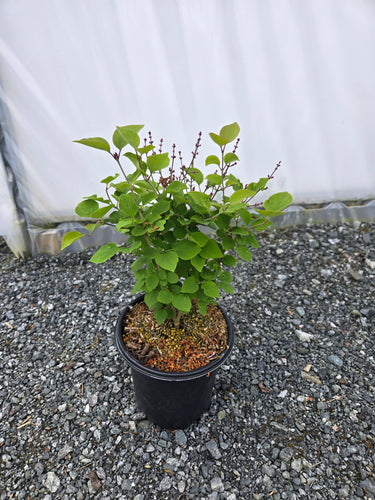
Medium green, heart-shaped leaves, providing a lush backdrop for flowers and remaining attractive throughout the growing season.

Flower Description

Dense, conical clusters of small, lavender-pink flowers, highly fragrant. Flower clusters are 4-6 inches long.

Planting Instructions
  • Planting Season: Early spring or fall; container-grown plants can be transplanted anytime during the growing season with care.
  • Planting Depth: Dig a hole twice as wide and as deep as the root ball. Ensure the crown is level with the soil surface.
  • Soil Requirements: Prefers well-drained, slightly acidic to neutral soils but adaptable to a range of soil types. Adding compost improves poor soils.
  • Spacing: Space 4-5 feet apart to allow air circulation and proper growth.
Pruning & Maintenance

Prune after the first spring bloom to encourage reblooming and maintain shape. Remove dead or damaged wood in early spring.

Water Needs

Water regularly during the first growing season. Once established, moderately drought-tolerant but prefers consistent moisture during dry spells.

Light Needs

Full sun (at least 6 hours of direct sunlight daily). Partial shade may reduce blooms.

Harvesting

Flower Harvesting:

  • Cut flower stems when about two-thirds of the florets are open for best vase life.
  • Harvest in the morning when blooms are well-hydrated.
  • Immediately place stems in water, and optionally crush or split the stem base to improve water uptake.

Deadheading:

  • Remove spent flower clusters promptly to encourage reblooming throughout the season.
  • This also keeps the plant looking tidy and reduces seed formation.

Seed Collection:

  • Not commonly done with 'Josee', as it is a hybrid, and any seeds produced may not come true to type.
  • If seeds are desired, allow flower heads to dry on the plant, then collect capsules in late summer.

Fertilizing

Apply balanced, slow-release fertilizer in early spring. Avoid over-fertilizing to prevent excessive foliage growth.

Additional Care Tips
  • Pest & Disease: Resistant to most pests and diseases; occasionally affected by powdery mildew. Ensure proper air circulation and avoid overhead watering.
  • Mulching: Apply a 2-3 inch layer of mulch to retain moisture, suppress weeds, and protect roots. Keep mulch away from the stem.
  • Winter Care: Hardy in USDA Zones 2-8, requires no special winter protection. Mulch around the base in colder zones.
  • Dividing: Not necessary; propagate by softwood cuttings in summer or early fall.
Pollination

Fragrant flowers attract bees, butterflies, and hummingbirds. Self-fertile, but pollinators increase bloom production.

Companion Plants

Peonies – bloom around the same time and complement lilac’s form and fragrance.

Nepeta 'Walker's Low' – soft, mounded growth and lavender flowers enhance the lilac’s appearance.

Salvia nemorosa – provides vertical interest and attracts pollinators.

Roses – especially low-growing or shrub types, add continual bloom throughout summer.

Hydrangea arborescens 'Annabelle' – offers bold foliage and contrasting flower form.

Lavandula angustifolia – fragrant, drought-tolerant, and harmonizes with lilac’s bloom tones.

Sedum 'Autumn Joy' – adds structure and late-season color.

Boxwood (Buxus spp.) – provides evergreen structure and formal edging around lilac beds.

Flowering and Seasonality
  • Blooming Season: Late spring (May) with reblooms sporadically through summer and early fall (June to September).

Dense, conical clusters of small, lavender-pink flowers, highly fragrant. Flower clusters are 4-6 inches long.

Planting Instructions

  • Planting Season: Early spring or fall; container-grown plants can be transplanted anytime during the growing season with care.
  • Planting Depth: Dig a hole twice as wide and as deep as the root ball. Ensure the crown is level with the soil surface.
  • Soil Requirements: Prefers well-drained, slightly acidic to neutral soils but adaptable to a range of soil types. Adding compost improves poor soils.
  • Spacing: Space 4-5 feet apart to allow air circulation and proper growth.

Care Tips

  • Pest & Disease: Resistant to most pests and diseases; occasionally affected by powdery mildew. Ensure proper air circulation and avoid overhead watering.
  • Mulching: Apply a 2-3 inch layer of mulch to retain moisture, suppress weeds, and protect roots. Keep mulch away from the stem.
  • Winter Care: Hardy in USDA Zones 2-8, requires no special winter protection. Mulch around the base in colder zones.
  • Dividing: Not necessary; propagate by softwood cuttings in summer or early fall.