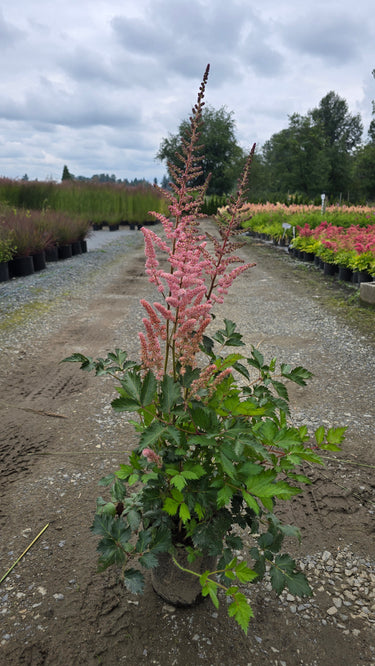
Growing Information

Growing zone guide
Growing Zone Zone 4, Zone 5, Zone 6, Zone 7, Zone 8
Sunlight Partial shade to full shade
Type of Soil Acidic
Mature Height 24 to 30 inches
Maintenance Level Low maintenance
Water Requirement High water needs (twice a week)

Learn more about this plant

Additional Information
Growth Rate

– Moderate; matures in 1–2 seasons

– Grows in clumps with minimal outward spread

Non-invasive, but may increase slowly over time if undisturbed

Colorful Leaves No
Flowering Yes
Bloom Color Purple & Lavender, Pink
Ornamental Berries N/A
Disease resistant Yes
Cold Tolerant Yes
Heat Tolerant No
Drought Tolerant No
Deer Resistant Yes
Edible No
Wildlife Attraction

– Flowers attract bees, butterflies, and other beneficial insects

– Foliage is deer and rabbit resistant due to its rough texture and bitter taste

Self-pollinating Cross-pollinating
Seasonality

Spring: Emerges early with rich foliage

Summer: Blooms for 3–4 weeks, beginning in early summer

Fall: Foliage fades to yellow or bronze

Winter: Dormant; spent plumes can provide structural interest

Ideal For

– Shaded perennial beds – borders – woodland gardens – mass planting – cut flower arrangements

Leaf Description

Glossy, deep green, compound leaves with serrated edges

– Emerging foliage in spring may have bronze or reddish undertones

– Forms a clean, attractive basal mound that holds shape throughout the season

Flower Description

Soft, satiny pearl-pink plumes on upright stems

– Blooms in early to mid summer (typically June to early July)

– Plumes are delicate in texture but held upright on sturdy stalks

– Excellent for cut flowers (fresh or dried)

Pruning & Maintenance

Deadhead spent blooms to maintain appearance or leave plumes for winter texture

– Cut back foliage in late fall or early spring to prepare for new growth

– Division every 3–4 years rejuvenates clumps and maintains bloom vigor

Water Needs

– Requires consistent soil moisture

Do not allow to dry out, especially in warmer regions

– Thrives in rain gardens, stream banks, or boggy borders with proper drainage

Light Needs

– Grows best in part shade to full shade

– Tolerates morning sun, but must have moist soil to prevent stress

– In deep shade, flowers may be slightly fewer but foliage remains healthy and ornamental

Harvesting

– Cut flowers just as plumes begin to open for vase use

– For drying, harvest when plumes are half open and hang upside down in a dark, dry place

– Foliage also works well in lush, shaded bouquet arrangements

Fertilizing

– Feed in spring with a balanced slow-release fertilizer or organic compost

– Avoid high-nitrogen fertilizers which may cause excessive foliage growth at the expense of blooms

Additional Care Tips N/A
Pollination

Self-pollinating, flowers attract a range of pollinators, including bees and hoverflies

– While fertile, propagation is almost exclusively through division rather than seed

Companion Plants

Hosta, Heuchera, Tiarella, Ferns, Pulmonaria, Brunnera, Dicentra

– Combines well with spring bulbs such as Leucojum or Anemone blanda

– Pairs beautifully beneath deciduous shrubs and trees like Cornus kousa or Hydrangea arborescens

Flowering and Seasonality

Spring: Emerges early with rich foliage

Summer: Blooms for 3–4 weeks, beginning in early summer

Fall: Foliage fades to yellow or bronze

Winter: Dormant; spent plumes can provide structural interest

Soft, satiny pearl-pink plumes on upright stems

– Blooms in early to mid summer (typically June to early July)

– Plumes are delicate in texture but held upright on sturdy stalks

– Excellent for cut flowers (fresh or dried)

Pet Friendly

Yes

Growing Zone
  • Zone 4
  • Zone 5
  • Zone 6
  • Zone 7
  • Zone 8

Click to enlarge