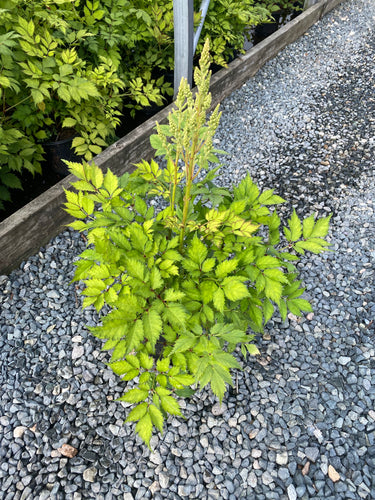
Growing Information

Growing zone guide
Growing Zone Zone 4, Zone 5, Zone 6, Zone 7, Zone 8
Sunlight Partial shade to full shade
Type of Soil Acidic
Mature Height 20 to 26 inches
Maintenance Level Low maintenance
Water Requirement High water needs (twice a week)

Learn more about this plant

Additional Information
Growth Rate

– Moderate; reaches mature size in 1–2 growing seasons

– Mature height: 24–30 inches in bloom, foliage mound around 18 inches tall

– Neat, upright, clump-forming growth habit

Colorful Leaves No
Flowering Yes
Bloom Color White
Ornamental Berries N/A
Disease resistant Yes
Cold Tolerant Yes
Heat Tolerant No
Drought Tolerant No
Deer Resistant Yes
Edible No
Wildlife Attraction

– Attracts bees and pollinating insects during bloom

– Foliage is deer and rabbit resistant

Self-pollinating Cross-pollinating
Seasonality

Spring: New foliage emerges and forms lush mounds

Summer: Blooms from July to early August

Fall: Foliage may fade to yellow or bronze

Winter: Dormant; spent plumes can provide off-season structure

Ideal For

– Woodland borders – moist shade beds – containers – floral arrangements

Leaf Description

Dark green, coarsely divided, fern-like leaves

– Slight bronze tint on new foliage in spring

– Provides strong texture and contrast in shade gardens, even when not in bloom

– Sturdy mound holds shape well throughout the growing season

Flower Description

– Tall, upright creamy ivory-white plumes

– Stems are strong and upright, preventing flop even after rain

– Blooms in mid-summer (typically July) and lasts several weeks

– Excellent for fresh-cut or dried floral arrangements

Pruning & Maintenance

Deadhead flowers once they fade if desired for neatness

– Alternatively, leave plumes for autumn structure and winter interest

– Cut back entire plant in late fall or early spring before new growth appears

Divide every 3–4 years to refresh vigor and prevent overcrowding

Water Needs

– Requires even moisture, especially during hot, dry periods

– Not drought-tolerant—supplement with watering if natural rainfall is insufficient

– Ideal for moist borders, stream banks, shaded water features, or rain gardens

Light Needs

– Thrives in part shade to full shade

– Tolerates morning sun if soil is kept consistently moist

– In hot climates, protect from direct afternoon sun to avoid leaf scorch

Harvesting

– Cut flower stems when plumes are 50–75% open for longest vase life

– Hang upside down to dry in cool, shaded area for arrangements

– Not used for culinary or herbal purposes

Fertilizing

– In spring, apply a balanced, slow-release fertilizer or organic compost

– Avoid high-nitrogen blends which may increase foliage growth at the expense of flowers

– Reapply mulch each spring to enrich soil naturally

Additional Care Tips N/A
Pollination

Self-pollinating, visited by bees, flies, and small butterflies

– Seed production is possible but not typically used for propagation

– Preferred method: clump division

Companion Plants

– Excellent with other shade-lovers: Hosta, Heuchera, Tiarella, Ferns, Pulmonaria, Brunnera

– Pairs well with dark-leaved plants like Actaea or Ligularia for contrast

– Combines beautifully with Hydrangea, Rodgersia, or Astilbe 'Vision in Pink' in massed plantings

Flowering and Seasonality

Spring: New foliage emerges and forms lush mounds

Summer: Blooms from July to early August

Fall: Foliage may fade to yellow or bronze

Winter: Dormant; spent plumes can provide off-season structure

– Tall, upright creamy ivory-white plumes

– Stems are strong and upright, preventing flop even after rain

– Blooms in mid-summer (typically July) and lasts several weeks

– Excellent for fresh-cut or dried floral arrangements

Pet Friendly

Yes

Growing Zone
  • Zone 4
  • Zone 5
  • Zone 6
  • Zone 7
  • Zone 8

Click to enlarge