Growing Information

Growing zone guide
Growing Zone Zone 5, Zone 6, Zone 7, Zone 8
Sunlight Bright light to partial shade
Type of Soil Slightly acidic to neutral
Mature Height 6 to 10 ft.
Maintenance Level Moderate maintenance
Water Requirement Moderate watering (once a week)

Learn more about this plant

Additional Information
Growth Rate

Moderate

– Grows 6–9 inches per year in ideal conditions

– Mature height: 6–10 feet

– Mature spread: 2–3 feet

– Naturally upright and columnar

Colorful Leaves No
Flowering No
Bloom Color Yellow , Green
Ornamental Berries N/A
Disease resistant No
Cold Tolerant Yes
Heat Tolerant Yes
Drought Tolerant No
Deer Resistant Yes
Edible No
Wildlife Attraction

Not a major wildlife attractant

– Deer may nibble if hungry but usually avoided due to bitter foliage

– Dense foliage can provide shelter for small birds or insects

Self-pollinating Self-pollinating
Seasonality

Evergreen – year-round structure and color

– Spring: Subtle bloom, new growth begins

– Summer: Holds form with little maintenance

– Fall/Winter: Retains deep green color; excellent in winter gardens

Ideal For

Formal vertical accent, foundation planting, containers, hedging, topiary, entrance framing, mixed evergreen borders

Leaf Description

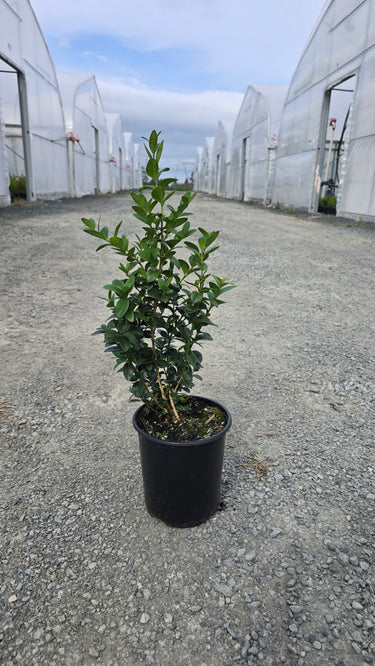
– Small, glossy, dark green leaves

– Evergreen; provides year-round structure and color

– Dense, fine-textured foliage ideal for formal gardens

Flower Description

– Small, yellow-green flowers in spring

– Not showy or fragrant; often go unnoticed

– Occasionally attracts small pollinators

Pruning & Maintenance

Time: Late spring to early summer after new growth appears

Style: Responds well to shaping; often used for topiary, hedging, or formal structure

– Lightly trim 1–2 times a year to maintain shape and density

– Avoid heavy pruning late in the season to prevent winter damage to tender new growth

Water Needs

– Water regularly during the first growing season to establish deep roots

– Once established, fairly drought tolerant, but prefers consistent moisture

– Avoid soggy soil; use mulch to conserve moisture and regulate temperature

Light Needs

Full sun to part shade

– Performs well in morning sun with afternoon shade, especially in hot climates to prevent leaf scorch

– Too much shade may reduce density and slow growth

Harvesting

– Not grown for harvest

– May be clipped for greenery in floral arrangements or winter décor

Fertilizing

– Apply a balanced, slow-release fertilizer in early spring

– Avoid over-fertilizing; too much nitrogen can lead to excessive soft growth and winter damage

– Incorporate compost annually to improve soil health

Additional Care Tips N/A
Pollination

Pollination type: Self-pollinating (monoecious)

Pollinators: Inconspicuous flowers may attract occasional small bees or flies, but pollination is not critical to landscape performance

Companion Plants

‘Dee Runk’ has a tall, narrow, columnar form that makes it excellent as a formal vertical accent. It pairs well with:

Hydrangea macrophylla or paniculata – Seasonal bloomers with soft, rounded forms

Hosta varieties – Foliage contrast for part-shade plantings

Heuchera (Coral Bells) – Colorful low-growing companions for underplanting

Salvia nemorosa – Textural and color contrast in sunny borders

Lavandula (Lavender) – Drought-tolerant, aromatic partner in full sun

Ferns and Carex – Great contrast in woodland edges or shaded borders

Perennials like Astilbe or Echinacea – Add bloom and seasonal interest

Flowering and Seasonality

Evergreen – year-round structure and color

– Spring: Subtle bloom, new growth begins

– Summer: Holds form with little maintenance

– Fall/Winter: Retains deep green color; excellent in winter gardens

– Small, yellow-green flowers in spring

– Not showy or fragrant; often go unnoticed

– Occasionally attracts small pollinators

Pet Friendly

No

Growing Zone
  • Zone 5
  • Zone 6
  • Zone 7
  • Zone 8

Click to enlarge