
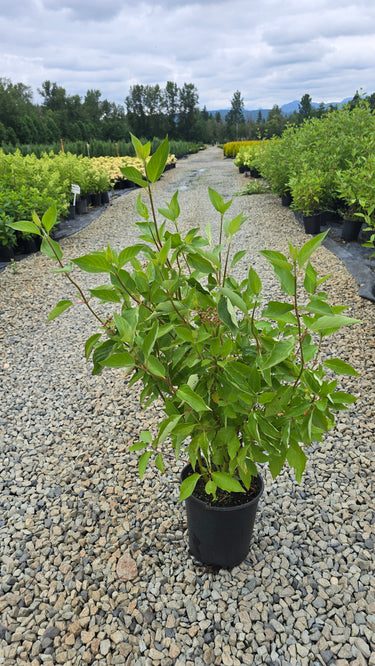

Red Osier Dogwood
Native North American dogwood with brilliant red winter stems, white summer berries, and fiery fall colour — superb for naturalizing, screening, erosion control, and wildlife habitat. (Cornus sericea)
Cornus sericea, commonly known as Red Osier Dogwood, is a hardy native shrub prized for its striking red stems that add bold color to the winter landscape. In spring, it produces clusters of creamy white flowers followed by white berries that attract birds and other wildlife. Ideal for naturalized areas, rain gardens, and erosion control, this fast-growing shrub also brings year-round interest with its seasonal foliage and vibrant stem color.
Your payment information is processed securely. We do not store credit card details nor have access to your credit card information.
Growing Information
Growing zone guideLearn more about this plant
Additional Information
| Growth Rate | |
|---|---|
| Colorful Leaves | Yes |
| Flowering | |
| Bloom Color | White |
| Ornamental Berries | White berries |
| Disease resistant | |
| Cold Tolerant | |
| Heat Tolerant | |
| Drought Tolerant | |
| Deer Resistant | |
| Edible | |
| Wildlife Attraction | |
| Self-pollinating | Cross-pollinating |
| Seasonality | |
| Ideal For | |
| Leaf Description | |
| Flower Description | |
| Pruning & Maintenance | |
| Water Needs | |
| Light Needs | |
| Harvesting | |
| Fertilizing | |
| Additional Care Tips | N/A |
| Pollination | |
| Companion Plants |
Flowering and Seasonality
Pet Friendly
Yes
Growing Zone
- Zone 2
- Zone 3
- Zone 4
- Zone 5
- Zone 6
- Zone 7
- Zone 8
Click to enlarge
Growing Zone

You may also like


