Growing Information

Growing zone guide
Growing Zone Zone 5, Zone 6, Zone 7, Zone 8
Sunlight Bright light
Type of Soil Slightly acidic to neutral
Mature Height 5 to 6 ft.
Maintenance Level Moderate maintenance
Water Requirement Moderate watering (once a week)

Learn more about this plant

Additional Information
Growth Rate

Fast-growing shrub, adding 1–2 feet per year under ideal conditions.


Reaches approximately 5–6 feet tall and wide at maturity.

Colorful Leaves No
Flowering Yes
Bloom Color Yellow
Ornamental Berries N/A
Disease resistant Yes
Cold Tolerant Yes
Heat Tolerant Yes
Drought Tolerant No
Deer Resistant No
Edible No
Wildlife Attraction
  • Early blooms provide one of the first nectar sources for bees emerging in spring.

  • Dense branching offers nesting cover for small birds.

  • Not generally a major wildlife food source, but beneficial for early pollinators.
Self-pollinating Cross-pollinating
Seasonality

Spring: Masses of golden-yellow flowers.


Summer: Green foliage provides a leafy backdrop.


Fall: Leaves fade to yellow-green before dropping.


Winter: Bare branches, sometimes showing attractive form against snow.

Ideal For

– Spring accent shrub, foundation plantings, early-season color in mixed borders, informal hedges, cottage gardens, naturalistic plantings, mass planting for bright spring display

Leaf Description
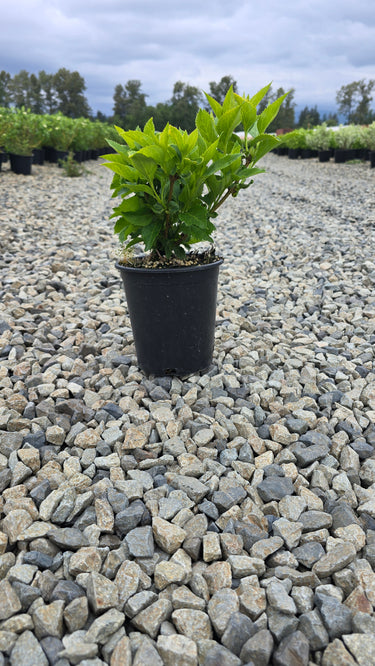
  • Deciduous, opposite leaves.

  • Medium to dark green, ovate to lanceolate, typically 2–4 inches long.

  • Fall foliage can be yellowish-green, though not a major ornamental feature compared to the spring flowers.
Flower Description

Profuse golden-yellow flowers along arching stems.


Bloom time: early to mid-spring, often one of the first shrubs to flower after winter.


Flowers are four-petaled, star-shaped, about 1–1.5 inches wide, covering bare stems before leaves emerge.

Pruning & Maintenance
  • Prune immediately after flowering (late spring), since blooms appear on old wood.

  • Remove up to one-third of the oldest stems at ground level to rejuvenate the shrub.

  • Lightly thin crowded branches to improve airflow.

  • Avoid heavy pruning in late summer/fall, as it will remove next year’s flower buds.
Water Needs

Moderate water needs:


Water weekly in the first growing season to establish roots.


Once established, it is moderately drought tolerant, though best flowering occurs with consistent moisture.


Avoid waterlogging; ensure soil is well-drained.

Light Needs

Prefers full sun (6+ hours of direct light daily).


Can tolerate light partial shade, but flowering will be reduced.

Harvesting
  • Not typically grown for harvest.

  • Forsythia stems can be cut and forced indoors in late winter — place cut stems in water indoors to encourage early flowering.


Fertilizing

Apply a balanced, slow-release fertilizer (10-10-10) in early spring before new growth emerges.


Compost or well-rotted manure around the root zone also benefits the shrub.


Avoid overfertilizing, as this can cause excessive vegetative growth at the expense of flowers.

Additional Care Tips N/A
Pollination

Forsythia is not grown for fruit and is primarily ornamental.


Flowers are bisexual but typically self-sterile; some forms produce small, inconspicuous capsules after cross-pollination, but fruit set is rare.

Companion Plants


Early spring bloom partners: Flowering quince (Chaenomeles speciosa), early-blooming Magnolia stellata, Prunus (ornamental cherries).


  • Evergreen backdrop: Thuja occidentalis, Taxus media, Buxus sempervirens.

  • Summer/fall color support: Hydrangea paniculata, Spiraea japonica, Weigela florida.

  • Works beautifully in mixed borders, shrub hedges, and cottage gardens.
Flowering and Seasonality

Spring: Masses of golden-yellow flowers.


Summer: Green foliage provides a leafy backdrop.


Fall: Leaves fade to yellow-green before dropping.


Winter: Bare branches, sometimes showing attractive form against snow.

Profuse golden-yellow flowers along arching stems.


Bloom time: early to mid-spring, often one of the first shrubs to flower after winter.


Flowers are four-petaled, star-shaped, about 1–1.5 inches wide, covering bare stems before leaves emerge.

Pet Friendly

Yes

Growing Zone
  • Zone 5
  • Zone 6
  • Zone 7
  • Zone 8

Click to enlarge