Growing Information

Growing zone guide
Growing Zone Zone 4, Zone 5, Zone 6, Zone 7, Zone 8, Zone 9
Sunlight Bright light
Type of Soil Slightly acidic to neutral
Mature Height 4 to 5 ft.
Maintenance Level Low maintenance
Water Requirement Moderate watering (once a week)

Learn more about this plant

Additional Information
Growth Rate
  • Growth Rate: Moderate; 'Karl Foerster' grows steadily and reaches its full height in the growing season.

  • Mature Size: Typically reaches a height of 4-5 feet with a spread of 2-3 feet. Its vertical growth habit makes it a standout plant in the garden.
Colorful Leaves No
Flowering Yes
Bloom Color N/A
Ornamental Berries N/A
Disease resistant Yes
Cold Tolerant Yes
Heat Tolerant Yes
Drought Tolerant Yes
Deer Resistant Yes
Edible No
Wildlife Attraction

'Karl Foerster' attracts a variety of wildlife, including birds that are drawn to the seeds. The plant also provides shelter and habitat for small insects and pollinators throughout the growing season.

Self-pollinating N/A
Seasonality
  • Flowering Season: 'Karl Foerster' produces elegant, feathery flower spikes from late spring to early summer (June to July). These plumes persist through the fall, providing visual interest well into the cooler months.

  • Seasonality: This ornamental grass is deciduous, meaning it will die back in winter. The plant's flower plumes and foliage provide interest during the growing season, with the plumes remaining attractive even after frost.
Ideal For

– Vertical accent in borders or mixed beds

– Mass plantings for movement and texture

– Urban and commercial landscapes

– Low-maintenance and prairie-style gardens

– Containers or narrow planting strips

– Winter interest due to persistent upright form

Leaf Description

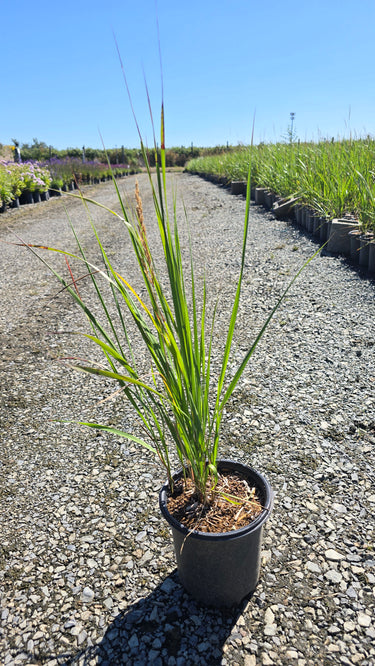
The leaves are narrow, arching, and green, with a fine texture. They grow in dense clumps, providing a lush backdrop to the tall flower spikes. The foliage turns golden-brown in the fall before the plant dies back for winter.

Flower Description

The flowers are delicate, feathery, and arranged in airy, cylindrical spikes. They start as a soft green and mature to a golden-brown color, creating a striking contrast against the grass’s green foliage. The flower spikes stand upright, adding vertical interest to the garden.

Pruning & Maintenance

Prune back 'Karl Foerster' in late winter or early spring before new growth begins. Cut the plant down to 2-4 inches above the ground to remove old, dead foliage and to encourage fresh new growth.

Water Needs

'Karl Foerster' is relatively drought-tolerant once established. Water regularly during the first growing season to help the plant establish its roots. Once established, it requires less frequent watering, especially in well-drained soil.

Light Needs

Thrives in full sun to partial shade. It performs best with at least 6 hours of direct sunlight each day but can tolerate some shade, particularly in hotter climates.

Harvesting

Harvest flower plumes if desired for dried arrangements. Cut the plumes when they are fully mature and dry, and use them to add texture and color to indoor decorations.

Fertilizing

Fertilize 'Karl Foerster' in early spring with a balanced, slow-release fertilizer. This will support strong growth and vibrant flowering throughout the growing season. Avoid over-fertilizing, which can lead to excessive foliage at the expense of flowers.

Additional Care Tips
  • Mulching: Apply mulch around the base of the plant to help retain soil moisture, regulate temperature, and suppress weeds.

  • Winter Care: In colder climates, the plant will die back in winter. Cut back the old growth in late winter or early spring before new shoots emerge.
Pollination

– Wind-pollinated (anemophilous)

– Does not require insects or animals for pollination

– Sterile cultivar – does not reseed or spread aggressively

– Flowers are primarily ornamental and do not attract pollinators significantly

Companion Plants

– Echinacea (Coneflower) – provides vibrant summer blooms alongside its vertical structure

– Rudbeckia (Black-Eyed Susan) – contrasting golden flowers against fine grass blades

– Salvia – upright flower spikes echo the grass's form

– Sedum (e.g., 'Autumn Joy') – pairs well in sunny, dry spots with complementary textures

– Perovskia (Russian Sage) – silver foliage and lavender blooms contrast nicely

– Panicum virgatum (Switch Grass) – for mixed grass plantings

– Allium – globe-shaped blooms add architectural contrast

– Achillea (Yarrow) – drought-tolerant, pairs well in naturalistic plantings

– Coreopsis – softens the upright structure with airy flowers

Flowering and Seasonality
  • Flowering Season: 'Karl Foerster' produces elegant, feathery flower spikes from late spring to early summer (June to July). These plumes persist through the fall, providing visual interest well into the cooler months.

  • Seasonality: This ornamental grass is deciduous, meaning it will die back in winter. The plant's flower plumes and foliage provide interest during the growing season, with the plumes remaining attractive even after frost.

The flowers are delicate, feathery, and arranged in airy, cylindrical spikes. They start as a soft green and mature to a golden-brown color, creating a striking contrast against the grass’s green foliage. The flower spikes stand upright, adding vertical interest to the garden.

Pet Friendly

Yes

Growing Zone
  • Zone 4
  • Zone 5
  • Zone 6
  • Zone 7
  • Zone 8
  • Zone 9

Click to enlarge