Growing Information

Growing zone guide
Growing Zone Zone 3, Zone 4, Zone 5, Zone 6, Zone 7, Zone 8, Zone 9
Sunlight Bright light to partial shade
Type of Soil Slightly acidic to neutral
Mature Height 12 to 18 inches
Maintenance Level Low maintenance
Water Requirement Moderate watering (once a week)

Learn more about this plant

Additional Information
Growth Rate
  • Growth Rate: Fast, forming a dense clump of foliage and flowers within the first growing season.
  • Mature Growth: At maturity, Apricot Stella® reaches 12-18 inches in height and spreads 18-24 inches wide, making it ideal for borders, containers, or mass plantings.
Colorful Leaves No
Flowering Yes
Bloom Color Orange
Ornamental Berries N/A
Disease resistant Yes
Cold Tolerant Yes
Heat Tolerant Yes
Drought Tolerant Yes
Deer Resistant No
Edible Yes
Wildlife Attraction

The bright blooms of Apricot Stella® attract butterflies, bees, and other pollinators, making it an excellent choice for wildlife-friendly gardens. The flowers’ nectar provides a valuable food source for pollinators throughout the summer.

Self-pollinating Self-pollinating
Seasonality

Blooms begin in early summer and continue intermittently through late summer or early fall. Foliage emerges in spring and typically dies back after the first hard frost.

Ideal For

Borders, mass planting, slopes, containers, foundation plantings, pollinator gardens, low-maintenance landscapes

Leaf Description

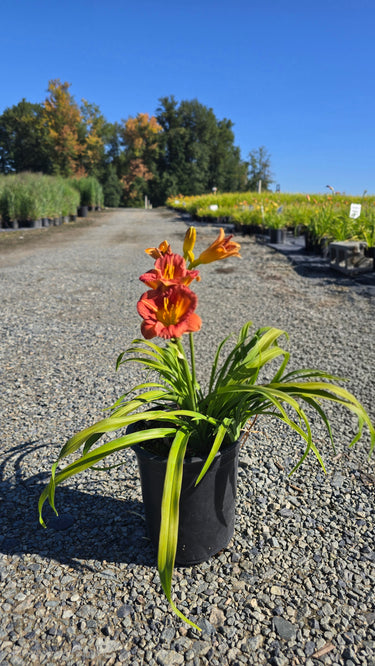
Apricot Stella® has long, arching, grass-like leaves that remain lush and green throughout the growing season. The foliage forms a dense, mounded clump, providing a soft texture that contrasts beautifully with the vibrant blooms. The foliage also adds visual interest when the plant is not in bloom.

Flower Description
  • Flowering Season: Early summer to fall (June to September).
  • Flower Description: The showy, trumpet-shaped flowers of Apricot Stella® are a soft apricot color with a golden-yellow throat. Each flower lasts for a day, but the plant produces an abundance of blooms throughout the season, ensuring continuous color. The blooms rise on tall stems above the foliage, creating an eye-catching display in the garden.
Pruning & Maintenance

Remove spent flowers (deadhead) throughout the blooming season to encourage continuous blooming. In late fall, trim back the foliage to about 4-6 inches above ground level to prepare the plant for winter. New growth will emerge in spring.

Water Needs

Apricot Stella® prefers consistently moist soil, especially during its first growing season. Water deeply and regularly to establish strong roots. Once established, it is drought-tolerant and only requires supplemental watering during prolonged dry periods. Avoid overwatering, as the plant prefers well-drained soil.

Light Needs

Full sun to partial shade. For the best flower production, plant in full sun where the daylily will receive at least 6 hours of direct sunlight per day. In hotter climates, it can benefit from some afternoon shade to prevent the blooms from fading.

Harvesting

Flowers can be harvested early in the day when fully open. Use immediately for culinary purposes (in salads or stir-fry) or decorative use. Buds can also be harvested before opening. Deadheading spent flowers encourages reblooming.

Fertilizing

Fertilize in early spring with a balanced, slow-release fertilizer to support healthy growth and abundant flowering. Apply compost or organic matter around the base of the plant to improve soil fertility. A second light feeding after the first flush of blooms can help encourage repeat blooming.

Additional Care Tips
  • Mulching: Apply a 2-3 inch layer of organic mulch around the base of the plant to help retain soil moisture, suppress weeds, and regulate soil temperature. Mulching is particularly beneficial during hot summers or dry periods.
  • Winter Care: Apricot Stella® is cold-hardy and does not require special winter protection in most climates. In colder regions (Zone 4), mulching around the base of the plant can help protect the roots from extreme cold.
  • Pest and Disease Resistance: This daylily is generally pest- and disease-resistant, making it a low-maintenance choice for most gardens. Good air circulation and proper watering help prevent any potential issues like crown rot or rust.
Pollination

Apricot Stella® is pollinated by bees, butterflies, and other insects. The nectar-rich flowers make it an excellent plant for supporting pollinator populations. No special pollination care is required, and the plant will continue to produce blooms throughout the season without assistance.

Companion Plants

Pairs well with ornamental grasses (like Festuca or Pennisetum), Coreopsis, Salvia, Echinacea, Shasta daisies, Sedum, and low-growing groundcovers like Geranium or Heuchera. For foliage contrast, hostas or ferns work well in partially shaded areas.

Flowering and Seasonality

Blooms begin in early summer and continue intermittently through late summer or early fall. Foliage emerges in spring and typically dies back after the first hard frost.

  • Flowering Season: Early summer to fall (June to September).
  • Flower Description: The showy, trumpet-shaped flowers of Apricot Stella® are a soft apricot color with a golden-yellow throat. Each flower lasts for a day, but the plant produces an abundance of blooms throughout the season, ensuring continuous color. The blooms rise on tall stems above the foliage, creating an eye-catching display in the garden.
Pet Friendly

No

Growing Zone
  • Zone 3
  • Zone 4
  • Zone 5
  • Zone 6
  • Zone 7
  • Zone 8
  • Zone 9

Click to enlarge