Growing Information

Growing zone guide
Growing Zone Zone 3, Zone 4, Zone 5, Zone 6, Zone 7, Zone 8, Zone 9
Sunlight Partial shade to full shade
Type of Soil Slightly acidic to neutral
Mature Height 18 to 22 inches
Maintenance Level Low maintenance
Water Requirement Moderate watering (once a week)

Learn more about this plant

Additional Information
Growth Rate
  • Growth Rate: Moderate, reaching its mature size within 3-5 growing seasons.
  • Mature Size: Grows to a height of 18-24 inches with a spread of 36-48 inches, forming a dense, mounding clump.
Colorful Leaves Yes
Flowering Yes
Bloom Color Purple & Lavender, White
Ornamental Berries N/A
Disease resistant No
Cold Tolerant Yes
Heat Tolerant No
Drought Tolerant No
Deer Resistant No
Edible No
Wildlife Attraction

Blue Perfection attracts pollinators such as bees and butterflies with its summer flowers. Additionally, the dense foliage provides shelter for small insects and wildlife. The plant is resistant to deer and rabbits, making it a great choice for gardens where wildlife browsing is an issue.

Self-pollinating Self-pollinating
Seasonality
  • Seasonality: Herbaceous perennial; dies back in winter and regrows in spring.
  • Flowering Season: Mid to late summer (July-August)
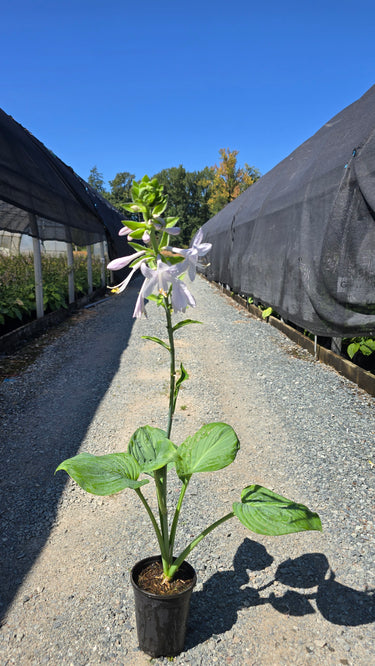
  • Bloom Description: Blue Perfection produces tall spikes of trumpet-shaped, pale lavender flowers in mid to late summer. These delicate flowers rise above the dense foliage and attract pollinators such as bees and butterflies. While the flowers are lovely, the plant is primarily valued for its striking foliage.
Ideal For

Excellent for shade gardens, woodland borders, underplantings, and as a groundcover or accent plant for foliage texture

Leaf Description

The standout feature of Hosta 'Blue Perfection' is its large, deeply veined, heart-shaped leaves with a striking blue-green color. The leaves have a thick, waxy texture, giving them a powdery blue finish that intensifies in shaded environments. The blue color fades slightly in bright sunlight, so it's best suited for shaded areas where the color will be most vibrant.

Flower Description

In mid to late summer, Hosta 'Blue Perfection' sends up upright scapes bearing tubular, pale lavender to white flowers. The blooms are mildly fragrant and attract pollinators like bees and occasionally hummingbirds.

Pruning & Maintenance

Pruning is minimal for Hosta 'Blue Perfection'. Remove spent flower stalks after blooming to keep the plant looking tidy. In late fall or early spring, cut back the dead foliage to the ground to allow new growth to emerge. Regularly remove any yellow or damaged leaves to maintain the plant's appearance.

Water Needs

Blue Perfection requires regular watering, especially during its first growing season. Keep the soil consistently moist, but avoid waterlogging. In dry periods, ensure the plant receives deep watering to maintain healthy growth. Established plants are somewhat drought-tolerant but will perform best with consistent moisture.

Light Needs

Thrives in partial shade to full shade. For the best blue foliage color, plant Hosta 'Blue Perfection' in a shaded location where it receives minimal direct sunlight. Too much sun can cause the leaves to lose their blue hue and become more green. Morning sun with afternoon shade is ideal for optimal leaf color and overall plant health.

Harvesting

Although Blue Perfection is primarily grown for its foliage, the tall flower spikes can be harvested for use in fresh floral arrangements. The delicate, lavender flowers add a subtle touch of color and elegance to indoor displays. Harvest the flowers when they are fully open for the best visual effect.

Fertilizing

Fertilize in early spring with a balanced, slow-release fertilizer or organic compost to encourage healthy growth and vibrant foliage. A second light feeding in mid-summer can help sustain the plant through the growing season. Avoid over-fertilizing, as this can lead to excessive leafy growth at the expense of flowers.

Additional Care Tips
  • Mulching: Apply a 2-3 inch layer of mulch around the base to retain moisture, regulate soil temperature, and suppress weeds. Mulching also helps protect the shallow root system from temperature extremes.

  • Pest and Disease Resistance: Blue Perfection is generally resistant to pests and diseases. However, slugs and snails may occasionally target the leaves, especially in damp conditions. Use slug control measures if needed to protect the foliage.

  • Winter Care: In colder climates, Blue Perfection will die back to the ground in winter. No special winter care is needed; simply cut back the dead foliage in early spring to allow new growth to emerge.
Pollination

Hosta 'Blue Perfection' is primarily self-pollinating, relying on wind or insect activity (such as bees) to transfer pollen. While it can produce seed pods, this variety is not typically grown for reproduction by seed, as division is the preferred propagation method.

Companion Plants

Excellent companions include shade-loving and moisture-loving plants such as Astilbe, Ferns (like Dryopteris or Athyrium), Heuchera (Coral Bells), Pulmonaria (Lungwort), Brunnera (False Forget-Me-Not), Tiarella (Foamflower), and shade-tolerant grasses like Carex or Hakonechloa. Their contrasting foliage and flower textures create layered interest in woodland gardens and shaded borders.

Flowering and Seasonality
  • Seasonality: Herbaceous perennial; dies back in winter and regrows in spring.
  • Flowering Season: Mid to late summer (July-August)
  • Bloom Description: Blue Perfection produces tall spikes of trumpet-shaped, pale lavender flowers in mid to late summer. These delicate flowers rise above the dense foliage and attract pollinators such as bees and butterflies. While the flowers are lovely, the plant is primarily valued for its striking foliage.

In mid to late summer, Hosta 'Blue Perfection' sends up upright scapes bearing tubular, pale lavender to white flowers. The blooms are mildly fragrant and attract pollinators like bees and occasionally hummingbirds.

Pet Friendly

Yes

Growing Zone
  • Zone 3
  • Zone 4
  • Zone 5
  • Zone 6
  • Zone 7
  • Zone 8
  • Zone 9

Click to enlarge