Growing Information

Growing zone guide
Growing Zone Zone 4, Zone 5, Zone 6, Zone 7, Zone 8, Zone 9
Sunlight Bright light
Type of Soil Slightly acidic to neutral
Mature Height 2 to 3 ft.
Maintenance Level Low maintenance
Water Requirement Low watering (once every 2 weeks)

Learn more about this plant

Additional Information
Growth Rate

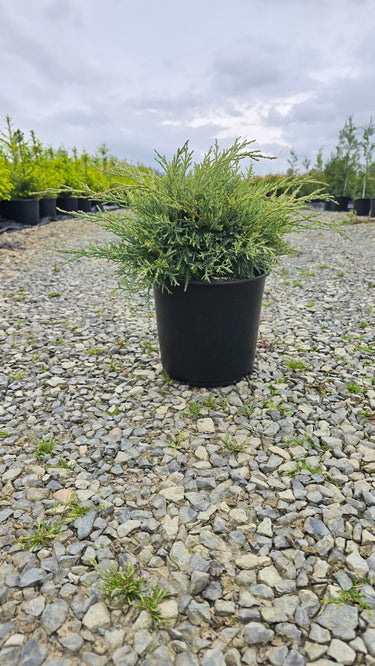
Moderate; forms a broad, spreading mound of soft blue foliage.


Mature size: approximately 2–3 feet tall and 4–6 feet wide.


Dense, arching branches form a graceful, layered habit.

Colorful Leaves Yes
Flowering No
Bloom Color N/A
Ornamental Berries Blue berries
Disease resistant Yes
Cold Tolerant Yes
Heat Tolerant Yes
Drought Tolerant Yes
Deer Resistant Yes
Edible No
Wildlife Attraction

Birds are attracted to the small blue seed cones (on female plants).


Provides nesting cover for small birds and beneficial insects.


Deer resistant, as foliage is aromatic and unpalatable.

Self-pollinating Cross-pollinating
Seasonality

Evergreen year-round, providing color, texture, and structure in all seasons.


Foliage color deepens to silvery-blue in winter for extra visual interest.

Ideal For

– Groundcover, slopes, erosion control, mass plantings, foundation borders, and rock gardens

Leaf Description

Evergreen, scale-like foliage with a soft, feathery texture.


Distinctive blue-gray to silvery-blue color that holds throughout the year, intensifying in winter.


Fine texture and dense branching give it an elegant, cloud-like appearance.

Flower Description

Produces tiny inconspicuous pollen cones (male) or small seed cones (female) rather than flowers.


Not ornamental; valued for foliage and form.

Pruning & Maintenance

Minimal pruning required; naturally grows dense and spreading.


If shaping is needed, trim lightly in late winter or early spring before new growth begins.


Remove any damaged or dead branches as needed—avoid cutting into old wood as it won’t regrow.

Water Needs

Water deeply during the first growing season to establish roots.


Once established, highly drought tolerant; water occasionally during extended dry periods.


Avoid overwatering or planting in poorly drained soil.

Light Needs

Requires full sun (6+ hours of direct light daily) for best color, density, and growth.


Can tolerate very light shade but may lose its vibrant blue color in low light.


Harvesting

Female plants produce small, rounded blue berry-like cones (not true berries).


Fruits are ornamental but not edible; mildly toxic if ingested.


Cones persist through winter, adding additional texture and wildlife value.

Fertilizing

Apply a slow-release evergreen fertilizer (10-8-6) in early spring before new growth starts.


Do not over-fertilize; excessive nutrients can reduce hardiness and compact growth.


A light compost topdressing every spring promotes steady, healthy color.

Additional Care Tips N/A
Pollination

Gymnosperm (non-flowering conifer); produces small cones rather than flowers.


Dioecious—separate male and female plants. Female plants produce berry-like seed cones if a male is nearby.

Companion Plants

Evergreens: Pinus mugo, Thuja occidentalis ‘Golden Globe’, or Picea abies ‘Little Gem’ for texture contrast.


Flowering shrubs: Spiraea japonica, Potentilla fruticosa, or Berberis thunbergii for colorful pairings.


Perennials and grasses: Sedum, Nepeta, Festuca glauca, or ornamental grasses to enhance the blue tones.


Design tip: Use alongside boulders or gravel for a natural, drought-tolerant landscape effect.

Flowering and Seasonality

Evergreen year-round, providing color, texture, and structure in all seasons.


Foliage color deepens to silvery-blue in winter for extra visual interest.

Produces tiny inconspicuous pollen cones (male) or small seed cones (female) rather than flowers.


Not ornamental; valued for foliage and form.

Pet Friendly

No

Growing Zone
  • Zone 4
  • Zone 5
  • Zone 6
  • Zone 7
  • Zone 8
  • Zone 9

Click to enlarge