Growing Information

Growing zone guide
Growing Zone Zone 3, Zone 4, Zone 5, Zone 6, Zone 7, Zone 8, Zone 9
Sunlight Bright light
Type of Soil Slightly acidic to neutral
Mature Height 1–2 feet
Maintenance Level Low maintenance
Water Requirement Low to moderate (once a week in hot climate, once every 2 weeks in regular climate)

Learn more about this plant

Additional Information
Growth Rate

  • Speed: Moderate grower.
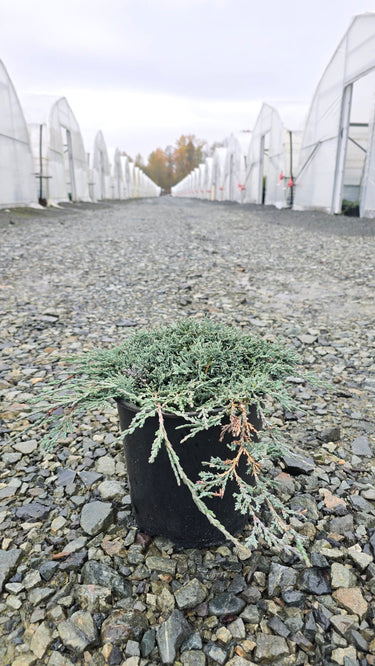
  • Mature Growth: Reaches 4-6 inches in height and spreads up to 6-8 feet wide, forming a dense, ground-hugging mat.
Colorful Leaves N/A
Flowering No
Bloom Color N/A
Ornamental Berries N/A
Disease resistant Yes
Cold Tolerant Yes
Heat Tolerant Yes
Drought Tolerant Yes
Deer Resistant Yes
Edible No
Wildlife Attraction
  • Attracts: Birds may be attracted to the small, berry-like cones it produces.
  • Wildlife Resistant: Deer-resistant and unbothered by most wildlife.
Self-pollinating Self-pollinating
Seasonality
  • Foliage Season: Evergreen; provides year-round color.
  • Winter Interest: Foliage turns purplish in winter, adding extra color during the colder months.
  • Flowering Season: Not grown for flowers; flowers are inconspicuous.
  • Hardiness Zones: USDA Zones 3-9
Ideal For
  • Groundcover
  • Rock gardens
  • Erosion control on slopes
  • Xeriscaping (drought-tolerant gardens)
  • Borders and foundation plantings
Leaf Description
  • Color: Silvery-blue, needle-like foliage.
  • Form: Dense, scale-like foliage that forms a low, spreading mat. In winter, the foliage takes on a purple tint.
  • Texture: Soft, feathery texture that adds interest to any landscape.
Flower Description
  • Color: Tiny, inconspicuous yellowish flowers.
  • Form: Small flowers appear in spring but are not ornamental.
  • Bloom Time: Spring.
Pruning & Maintenance

  • Timing: Prune in early spring to shape the plant if necessary or to control its spread.
  • Method: Minimal pruning required. Trim back any overgrowth or damaged branches as needed.
Water Needs

  • Watering Frequency: Water regularly during the first growing season to establish a strong root system. Once established, Icee Blue is highly drought-tolerant and requires minimal watering.
  • Soil Moisture: Prefers well-drained soil and does not tolerate waterlogged conditions. Mulching can help retain moisture and regulate soil temperature.
Light Needs

  • Thrives in full sun for the best foliage color and health. Can tolerate light shade, but too much shade may reduce the intensity of its blue coloration.
Harvesting N/A
Fertilizing

  • Fertilization Time: Fertilize in early spring to support new growth.
  • Fertilizer Type: Use a balanced, slow-release fertilizer or an acidic fertilizer suited for evergreens.
Additional Care Tips
  • Mulching: Apply a 2-3 inch layer of mulch around the base to retain moisture, suppress weeds, and regulate soil temperature. Keep mulch away from the crown to prevent rot.
  • Drought Tolerance: Once established, Icee Blue is highly drought-tolerant and thrives in dry conditions. It requires minimal watering in low-water gardens.
  • Pests and Diseases: Generally pest-free, but may occasionally suffer from spider mites or fungal issues if grown in overly wet conditions.
Pollination

  • Pollination Type: Pollinated by wind. Icee Blue produces small, berry-like cones after pollination, which can attract birds.
Companion Plants
  • Ornamental Grasses
  • Sedum
  • Lavender
  • Creeping Thyme
Flowering and Seasonality
  • Foliage Season: Evergreen; provides year-round color.
  • Winter Interest: Foliage turns purplish in winter, adding extra color during the colder months.
  • Flowering Season: Not grown for flowers; flowers are inconspicuous.
  • Hardiness Zones: USDA Zones 3-9
  • Color: Tiny, inconspicuous yellowish flowers.
  • Form: Small flowers appear in spring but are not ornamental.
  • Bloom Time: Spring.
Pet Friendly

Yes

Growing Zone
  • Zone 3
  • Zone 4
  • Zone 5
  • Zone 6
  • Zone 7
  • Zone 8
  • Zone 9

Click to enlarge