Growing Information

Growing zone guide
Growing Zone Zone 4, Zone 5, Zone 6, Zone 7, Zone 8, Zone 9
Sunlight Partial shade to full shade
Type of Soil Slightly acidic to neutral
Mature Height 6 to 12 inches
Maintenance Level Low maintenance
Water Requirement Moderate watering (once a week)

Learn more about this plant

Additional Information
Growth Rate

Moderate; spreads steadily by rhizomes to form dense colonies.


Fills in bare areas within 2–3 years depending on spacing.

Colorful Leaves No
Flowering Yes
Bloom Color White
Ornamental Berries N/A
Disease resistant Yes
Cold Tolerant Yes
Heat Tolerant No
Drought Tolerant No
Deer Resistant Yes
Edible No
Wildlife Attraction

Flowers may attract small pollinators.


Dense mat provides shelter for beneficial insects but is not a major wildlife attractant.


Resistant to deer and rabbits.

Self-pollinating Cross-pollinating
Seasonality

Spring: flowers appear; fresh new growth emerges.


Summer: dense evergreen mat continues to expand.


Fall: foliage persists, adding ground-level greenery.


Winter: retains evergreen leaves, though some may bronze in very cold climates.

Ideal For

– Shady groundcover, woodland gardens, under trees, slopes, borders, foundation plantings, erosion control

Leaf Description

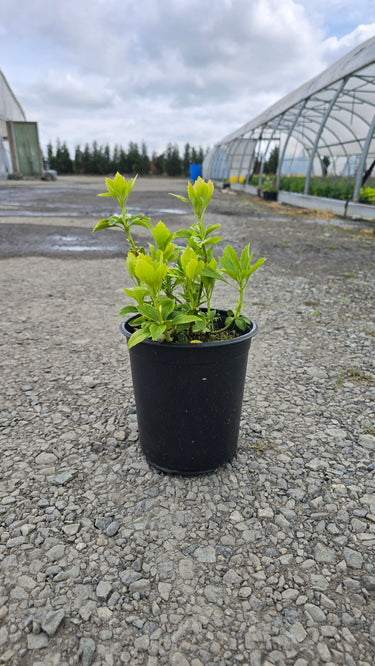
Glossy, leathery, dark green evergreen leaves arranged in whorls at stem tips.


Leaves are ovate to spatulate, providing year-round cover and structure.

Flower Description
  • Small, fragrant white flower spikes in spring (March–April).

  • Not highly showy, but add subtle seasonal interest.

Pruning & Maintenance

In early spring, shear or mow patches down to about 3 inches to refresh foliage and encourage new growth.


Remove any winter-damaged or yellowing leaves.


Routine pruning is not required beyond containment.

Water Needs

Requires regular water during establishment.


Once established, drought tolerant for short periods but prefers consistent moisture.


Avoid prolonged soggy conditions which may cause crown rot.

Light Needs

Prefers partial to full shade; ideal under trees, shrubs, or on the north side of buildings.


Can tolerate some morning sun, but direct afternoon sun may scorch leaves.

Harvesting

Not grown for harvesting; ornamental and functional groundcover use only.


Clumps can be divided in spring or fall for propagation.

Fertilizing

Low fertilizer needs; apply a balanced slow-release fertilizer or compost in spring.


Avoid overfertilizing, which can cause leggy growth.

Additional Care Tips N/A
Pollination
  • Produces small, fragrant white flowers in spring that are insect-pollinated.

  • Pollination is not significant for ornamental effect; primarily grown for foliage.

Companion Plants

Woodland perennials like Hosta, Heuchera, Pulmonaria, and Ferns.


Shrubs such as Rhododendrons, Hydrangeas, and Azaleas.


Early spring bulbs (Snowdrops, Crocus, Daffodils) can be naturalized through its carpet.


Works well in shaded foundation plantings and under evergreen trees.

Flowering and Seasonality

Spring: flowers appear; fresh new growth emerges.


Summer: dense evergreen mat continues to expand.


Fall: foliage persists, adding ground-level greenery.


Winter: retains evergreen leaves, though some may bronze in very cold climates.

  • Small, fragrant white flower spikes in spring (March–April).

  • Not highly showy, but add subtle seasonal interest.

Pet Friendly

No

Growing Zone
  • Zone 4
  • Zone 5
  • Zone 6
  • Zone 7
  • Zone 8
  • Zone 9

Click to enlarge