Growing Information

Growing zone guide
Growing Zone Zone 3, Zone 4, Zone 5, Zone 6, Zone 7
Sunlight Bright light
Type of Soil Slightly acidic to neutral
Mature Height 2 to 3 ft.
Maintenance Level Low maintenance
Water Requirement Moderate watering (once a week)

Learn more about this plant

Additional Information
Growth Rate

Moderate growth rate.


Forms a dense, rounded shrub about 2–3 feet tall and wide.

Colorful Leaves No
Flowering Yes
Bloom Color Red
Ornamental Berries N/A
Disease resistant Yes
Cold Tolerant Yes
Heat Tolerant Yes
Drought Tolerant Yes
Deer Resistant Yes
Edible No
Wildlife Attraction

Nectar-rich blooms attract bees, butterflies, and other pollinators.


Birds may use the shrub for cover, though it is not a primary food source.

Self-pollinating Cross-pollinating
Seasonality

Spring: Foliage emerges, followed by flowers.


Summer: Peak bloom period with vibrant color.


Fall: Continued flowering until frost, foliage drops late season.


Winter: Bare stems provide structural interest.

Ideal For

– Low borders, edging, mass plantings, cottage gardens, small-space landscapes, pollinator gardens, rock gardens

Leaf Description
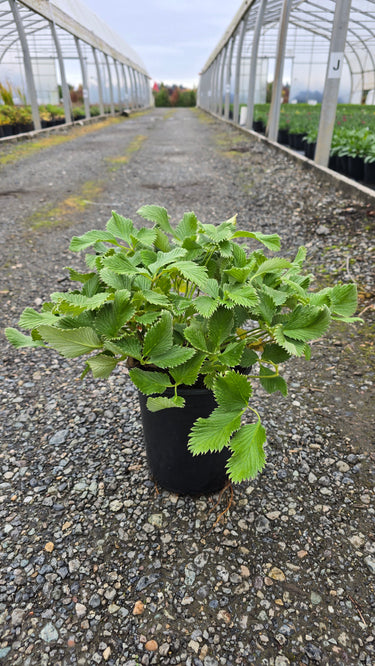
  • Small, pinnate leaves with 5–7 narrow leaflets, medium to dark green.

  • Foliage is fine-textured, giving the shrub a delicate appearance.

  • Deciduous, with leaves dropping in fall.
Flower Description

Profuse display of bright red to crimson single flowers, about 1 inch across.


Blooms continuously from late spring through early fall with proper care.


Flowers have a cheerful, showy quality that stand out against the green foliage.

Pruning & Maintenance

Minimal pruning needed.


After the first flush of flowers, lightly shear or deadhead to encourage rebloom.


In late winter or very early spring, remove dead or weak wood to maintain shape.


Rejuvenation pruning (cutting back one-third of old stems to the base) every 3–4 years helps maintain vigor.

Water Needs

Water regularly during the first growing season to establish roots.


Once established, it is drought tolerant, needing only occasional deep watering in prolonged dry periods.


Avoid overwatering, as it prefers well-drained conditions.

Light Needs

Grows best in full sun (6+ hours daily).


Tolerates light partial shade, though flower production may be reduced.

Harvesting

Can be lightly pruned for cut stems with flowers, but not typically used for arrangements.

Fertilizing

Fertilize in spring with a balanced slow-release fertilizer (10-10-10).


Supplemental compost or organic mulch improves bloom quality.


Avoid overfertilizing, which leads to leafy growth instead of flowers.

Additional Care Tips N/A
Pollination
  • Pollinated by bees, butterflies, and other insects.

  • Flowers are fertile and may set small dry fruits, though these are not ornamental.
Companion Plants

Flowering shrubs: Spiraea japonica, Hydrangea paniculata, Weigela florida.


Evergreens: Buxus microphylla, Juniperus horizontalis, Thuja occidentalis.


Perennials: Salvia nemorosa, Echinacea purpurea, Coreopsis verticillata, Nepeta faassenii.


Pairs well in cottage gardens, rock gardens, or as edging along walkways.

Flowering and Seasonality

Spring: Foliage emerges, followed by flowers.


Summer: Peak bloom period with vibrant color.


Fall: Continued flowering until frost, foliage drops late season.


Winter: Bare stems provide structural interest.

Profuse display of bright red to crimson single flowers, about 1 inch across.


Blooms continuously from late spring through early fall with proper care.


Flowers have a cheerful, showy quality that stand out against the green foliage.

Pet Friendly

Yes

Growing Zone
  • Zone 3
  • Zone 4
  • Zone 5
  • Zone 6
  • Zone 7

Click to enlarge