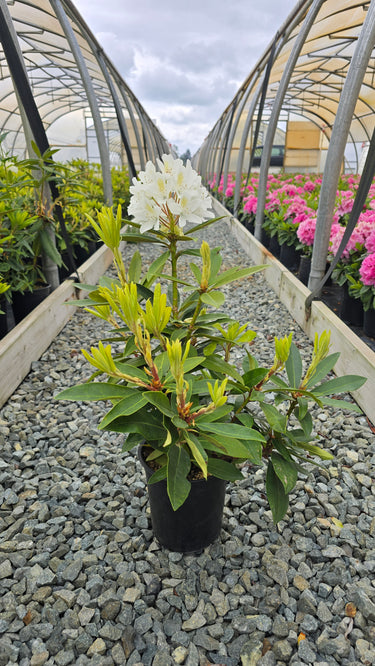
Growing Information

Growing zone guide
Growing Zone Zone 5, Zone 6, Zone 7, Zone 8
Sunlight Partial shade
Type of Soil Acidic
Mature Height 3 to 4 ft.
Maintenance Level Moderate maintenance
Water Requirement Moderate watering (once a week)

Learn more about this plant

Additional Information
Growth Rate

Moderate growth rate

– Reaches 3 to 4 ft tall and 4 to 6 ft wide over time in optimal conditions

Colorful Leaves No
Flowering Yes
Bloom Color White
Ornamental Berries N/A
Disease resistant No
Cold Tolerant Yes
Heat Tolerant No
Drought Tolerant No
Deer Resistant No
Edible No
Wildlife Attraction

Attracts bees, bumblebees, and some butterflies during bloom period

– Evergreen foliage offers low shelter for small birds

Self-pollinating Self-pollinating
Seasonality

Evergreen: Provides year-round structure and foliage

– Flowers in late spring; maintains interest through all seasons due to foliage

Ideal For

Foundation planting – woodland gardens – shade gardens – north or east-facing beds – mixed borders – mass plantings for evergreen structure

Leaf Description

Dark green, leathery, elliptic evergreen leaves, 3–4" long

– Foliage is dense, creating a full and refined form year-round

– Slightly glossy finish adds year-round interest even in winter

Flower Description

– Produces large trusses of pure white flowers, each with a faint yellow dorsal blotch

– Blooms are slightly ruffled and measure about 2.5–3" wide

– Flowers appear in late spring (May to early June)

– Highly ornamental and striking against the dark foliage

Pruning & Maintenance

– Prune lightly immediately after flowering to maintain shape and encourage branching

– Remove dead, damaged, or crossing branches at any time

– Avoid heavy pruning into old wood; rhododendrons don't readily resprout from bare stems

Water Needs

– Requires consistent moisture, especially in the first two years

– Keep soil evenly moist but not soggy; avoid letting roots dry out

– Benefits from drip irrigation or deep watering during dry periods

Light Needs

– Prefers partial shade—ideal is filtered morning sun with afternoon shade

– Tolerates full shade but may flower less; avoid full sun in hot climates to prevent leaf scorch

Harvesting

– Not grown for harvest; flowers are ornamental only and not typically cut for arrangements

– No significant use for harvesting in home gardens

Fertilizing

– Use a slow-release, acid-loving plant fertilizer in early spring just before new growth begins

– Avoid overfertilizing—excess nitrogen can reduce blooms and damage roots

– Supplement with chelated iron or sulfur if leaves yellow (chlorosis from alkaline soil)

Additional Care Tips N/A
Pollination

Self-fertile but can cross-pollinate with nearby rhododendrons for seed production

– Flowers are visited by bees and other pollinators, though fruiting is uncommon in garden settings

Companion Plants

Hosta – provides contrasting foliage in shade gardens

Ferns – enhance woodland settings with complementary textures

Heuchera – adds color contrast with bold foliage

Pieris japonica – shares similar soil and light needs

Hydrangea macrophylla – balances form and bloom timing

Astilbe – thrives in moist shade and adds soft floral texture nearby

Flowering and Seasonality

Evergreen: Provides year-round structure and foliage

– Flowers in late spring; maintains interest through all seasons due to foliage

– Produces large trusses of pure white flowers, each with a faint yellow dorsal blotch

– Blooms are slightly ruffled and measure about 2.5–3" wide

– Flowers appear in late spring (May to early June)

– Highly ornamental and striking against the dark foliage

Pet Friendly

No

Growing Zone
  • Zone 5
  • Zone 6
  • Zone 7
  • Zone 8

Click to enlarge