Growing Information

Growing zone guide
Growing Zone Zone 4, Zone 5, Zone 6, Zone 7, Zone 8, Zone 9
Sunlight Bright light
Type of Soil Neutral to alkaline
Mature Height 18 to 24 inches
Maintenance Level Low maintenance
Water Requirement Low watering (once every 2 weeks)

Learn more about this plant

Additional Information
Growth Rate
  • Growth rate: Moderate; forms clumps that spread slowly over time.

  • Mature height: 18 to 24 inches tall.

  • Mature spread: 18 to 24 inches wide.

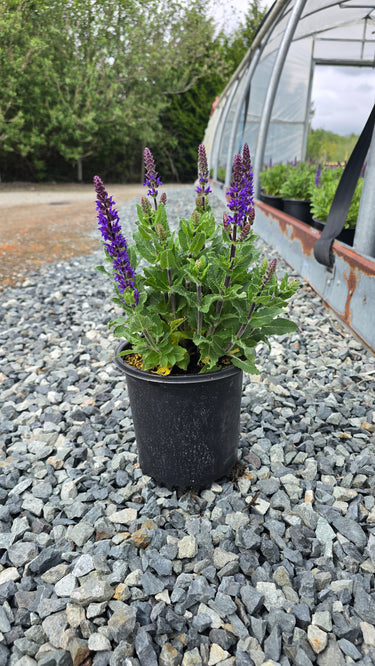
  • Form: Dense, upright, mounded clumps of basal foliage with tall flower spikes.

  • Hardiness: USDA Zones 4–9.

  • Excellent structural plant that holds form through the season and resists flopping.
Colorful Leaves No
Flowering Yes
Bloom Color Purple & Lavender, Blue
Ornamental Berries N/A
Disease resistant Yes
Cold Tolerant Yes
Heat Tolerant Yes
Drought Tolerant Yes
Deer Resistant Yes
Edible No
Wildlife Attraction

Highly attractive to bees, butterflies, and hummingbirds.


Serves as an important nectar source during late spring and summer.


Deer and rabbit resistant — aromatic foliage deters browsing.


Adds strong ecological value to pollinator and wildlife-friendly gardens.

Self-pollinating Self-pollinating
Seasonality

Spring: Rapid vegetative growth and early flower spikes form.


Summer: Peak flowering; continuous color from May through July.


Late summer to fall: Possible reblooming after pruning; gradual slowing of growth.


Winter: Dormant; dried stems can be left for winter interest and wildlife shelter before cutting back in spring.

Ideal For

Pollinator gardens and butterfly borders


Cottage gardens and perennial borders


Xeriscapes and drought-tolerant plantings


Rock gardens and sunny slopes


Cut flower or dried flower arrangements


Foundation or edging plant for sunny pathways

Leaf Description
  • Type: Deciduous, aromatic foliage with rough, slightly wrinkled texture.

  • Shape: Lance-shaped to ovate leaves with serrated margins.

  • Color: Deep green, forming dense basal rosettes.

  • When crushed, leaves release a distinctive, pleasant herbal scent that deters pests.
Flower Description
  • Color: Deep violet-blue to purple flower spikes; richly saturated and long-lasting.

  • Bloom size: Dense spikes 10–12 inches tall, composed of many small tubular blossoms.

  • Bloom time: Late spring to midsummer, often reblooming in late summer after trimming.

  • Fragrance: Lightly aromatic, especially in warm weather.

  • Structure: Square stems typical of the mint family (Lamiaceae), giving an upright, architectural look.
Pruning & Maintenance
  • After first bloom: Cut spent flower spikes down to the basal foliage to encourage a second flush of blooms later in summer.

  • Seasonal maintenance: In late fall or early spring, cut plants back to about 2 inches above ground level to refresh growth.

  • Ongoing care: Remove faded flowers regularly to maintain appearance and extend flowering.

  • Periodic division every 3–4 years keeps clumps vigorous.
Water Needs
  • Establishment phase: Keep soil evenly moist but not soggy until roots are established (usually 4–6 weeks).

  • Once established: Drought-tolerant; water only during prolonged dry periods.

  • Watering frequency: Deep, infrequent watering encourages deeper root growth.

  • Avoid overhead watering to reduce risk of fungal issues.
Light Needs

Prefers full sun — a minimum of 6 to 8 hours of direct sunlight daily.


Tolerates light shade, but too much shade reduces flower production and encourages leggy growth.


Plants grown in full sun have denser foliage, stronger stems, and more vibrant flower color.

Harvesting

Flower spikes can be cut for fresh bouquets or dried arrangements; harvest just as buds open for best color retention.

Can be propagated by division in spring or fall or by softwood cuttings in summer.


Fertilizing

Low feeder — thrives without heavy fertilization.


In spring, apply a light dose of balanced, slow-release fertilizer (e.g., 10-10-10) or compost around the base.


Avoid high-nitrogen fertilizers; these produce excess foliage and fewer blooms.


A top dressing of compost each spring improves soil health and flowering vigor.

Additional Care Tips

Performs best in well-drained, moderately fertile soil.


Adaptable to a wide range of soil types including loam, sandy, or slightly rocky soils.


pH preference: Neutral to slightly alkaline (6.5–7.8).


Avoid poorly drained or heavy clay soils — excessive moisture leads to crown rot or mildew.

Pollination
  • Pollinated by bees, butterflies, and hummingbirds, which are drawn to the nectar-rich tubular flowers.

  • Flowers are self-fertile but rely on insect activity for pollination.

  • Extended bloom period provides consistent nectar for pollinators throughout the summer.

Companion Plants
  • Complements a wide range of sun-loving perennials and ornamental grasses:


    Coreopsis verticillata ‘Moonbeam’ – soft yellow contrast with violet blooms.


    Echinacea purpurea (Coneflower) – similar cultural needs, attracts pollinators.


    Nepeta ‘Walker’s Low’ – extended bloom season with harmonious texture.


    Lavandula angustifolia – enhances fragrance and visual cohesion.


    Rudbeckia fulgida ‘Goldsturm’ – yellow contrast for late-summer color.


    Sedum ‘Autumn Joy’ or Perovskia atriplicifolia – great for drought-tolerant borders.


  • Excellent in mixed borders, rock gardens, and pollinator plantings.

Flowering and Seasonality

Spring: Rapid vegetative growth and early flower spikes form.


Summer: Peak flowering; continuous color from May through July.


Late summer to fall: Possible reblooming after pruning; gradual slowing of growth.


Winter: Dormant; dried stems can be left for winter interest and wildlife shelter before cutting back in spring.

  • Color: Deep violet-blue to purple flower spikes; richly saturated and long-lasting.

  • Bloom size: Dense spikes 10–12 inches tall, composed of many small tubular blossoms.

  • Bloom time: Late spring to midsummer, often reblooming in late summer after trimming.

  • Fragrance: Lightly aromatic, especially in warm weather.

  • Structure: Square stems typical of the mint family (Lamiaceae), giving an upright, architectural look.
Pet Friendly

Yes

Growing Zone
  • Zone 4
  • Zone 5
  • Zone 6
  • Zone 7
  • Zone 8
  • Zone 9

Click to enlarge