
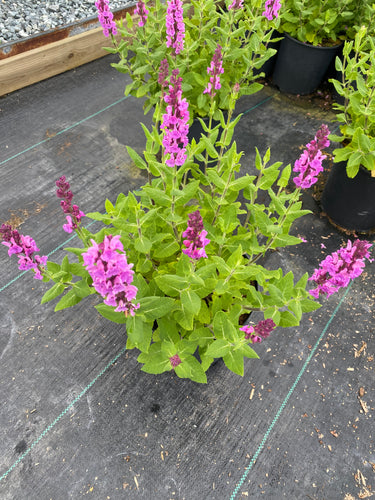

Rose Marvel Salvia
Uniquely bright rose-pink flower spikes bloom from late spring through summer on a compact well-branched plant — a refreshing warm-toned alternative to traditional blue-purple salvias for sunny borders. (Salvia nemorosa 'Rose Marvel')
$37.80
/
Shipping calculated at checkout.
Salvia nemorosa 'Rose Marvel' is a compact and resilient perennial that brings both beauty and ecological benefits to the garden. Its vibrant blooms, extended flowering period, and adaptability to various conditions make it an excellent choice for gardeners seeking to add long-lasting color and support pollinators in their landscapes.
In stock (200)
Payment & Security
Your payment information is processed securely. We do not store credit card details nor have access to your credit card information.
Growing Information
Growing zone guide
Growing Zone
Zone 4,
Zone 5,
Zone 6,
Zone 7,
Zone 8,
Zone 9
Sunlight
Bright light
Type of Soil
Neutral to alkaline
Mature Height
Maintenance Level
Water Requirement
Learn more about this plant
Additional Information
| Growth Rate | |
|---|---|
| Colorful Leaves | No |
| Flowering | |
| Bloom Color | Pink |
| Ornamental Berries | N/A |
| Disease resistant | |
| Cold Tolerant | |
| Heat Tolerant | |
| Drought Tolerant | |
| Deer Resistant | |
| Edible | |
| Wildlife Attraction | |
| Self-pollinating | Cross-pollinating |
| Seasonality | |
| Ideal For | |
| Leaf Description | |
| Flower Description | |
| Pruning & Maintenance | |
| Water Needs | |
| Light Needs | |
| Harvesting | |
| Fertilizing | |
| Additional Care Tips | N/A |
| Pollination | |
| Companion Plants |
Flowering and Seasonality
Pet Friendly
Yes
Growing Zone
- Zone 4
- Zone 5
- Zone 6
- Zone 7
- Zone 8
- Zone 9
Click to enlarge
Growing Zone

You may also like

Smokey Saskatoon Berry
$27.60
/

William Baffin Explorer Rose
$51.00
/

Picobella Rosso Weigela
$45.24
/


Magical Daydream Winterberry
$51.00
/

