Growing Information

Growing zone guide
Growing Zone Zone 3, Zone 4, Zone 5, Zone 6, Zone 7, Zone 8, Zone 9
Sunlight Bright light
Type of Soil Slightly acidic to neutral
Mature Height 18 to 24 inches
Maintenance Level Low maintenance
Water Requirement Low watering (once every 2 weeks)

Learn more about this plant

Additional Information
Growth Rate
  • Growth Rate: Moderate, reaching its mature size within 2-3 growing seasons.
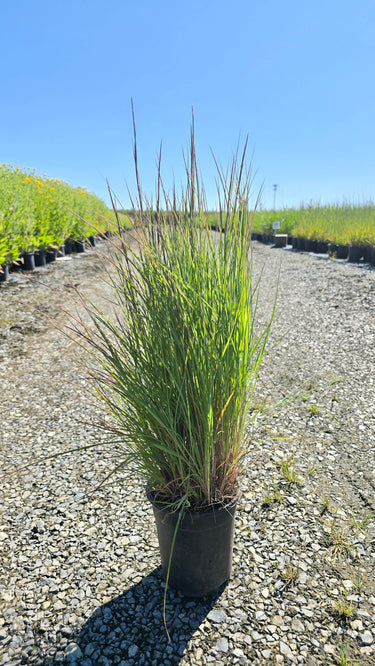
  • Mature Size: Grows to a height of 2-3 feet (up to 3-4 feet with flower spikes) with a spread of 1-2 feet, forming a dense, upright clump.
Colorful Leaves Yes
Flowering No
Bloom Color N/A
Ornamental Berries N/A
Disease resistant Yes
Cold Tolerant Yes
Heat Tolerant Yes
Drought Tolerant Yes
Deer Resistant Yes
Edible No
Wildlife Attraction

Jazz Little Bluestem is a wildlife-friendly grass that attracts birds and beneficial insects. The seeds produced by the flower spikes are a valuable food source for birds in the fall and winter, while the dense foliage provides shelter for small wildlife. This native grass also supports pollinators like butterflies and bees, particularly during its flowering season.

Self-pollinating Self-pollinating
Seasonality
  • Seasonality: Deciduous; dies back in winter and regrows in spring.
  • Flowering Season: Late summer to early fall (August-September)
  • Bloom Description: 'Jazz' produces tall, airy flower spikes that rise above the foliage in late summer. The blooms are soft, silvery-white and add delicate texture to the garden. As the flowers mature, they turn fluffy and silver, providing a striking contrast against the colorful fall foliage.
Ideal For

Mass plantings

naturalized areas

low-water landscapes

erosion control

ornamental texture

Leaf Description

The narrow, upright leaves of Schizachyrium 'Jazz' are a striking blue-green color during the summer months, transitioning to vibrant shades of orange, red, and purple in the fall. The fine-textured foliage forms a compact, dense clump, offering a bold contrast to other plants in the landscape.

Flower Description

The flowers appear in late summer to early fall as airy, fine-textured spikelets with purplish-bronze hues. They are subtle but add ornamental movement and texture to the garden, especially when backlit by sunlight.

Pruning & Maintenance

Pruning is minimal for Schizachyrium 'Jazz'. In late winter or early spring, cut the dead foliage back to about 6-12 inches from the ground to allow new growth to emerge. Avoid cutting back in fall, as the dried flower heads and colorful foliage provide winter interest and food for wildlife. Removing old growth also helps maintain the plant's tidy, compact appearance.

Water Needs

Jazz is highly drought-tolerant once established and prefers low to moderate watering. Water regularly during the first growing season to help establish roots. After that, this grass requires minimal watering and thrives in dry, well-drained soils. It performs best in areas with good drainage and should not be planted in waterlogged conditions.

Light Needs

Thrives in full sun. For the best foliage color and growth, plant 'Jazz' in a location that receives at least 6 hours of direct sunlight per day. Full sun encourages the most vibrant fall color and strong, upright growth. It can tolerate some light shade but may not develop the same intensity of fall color.

Harvesting

The airy flower spikes of 'Jazz' can be harvested for use in fresh or dried floral arrangements. Harvest the flowers when they are fully mature and dry them for long-lasting indoor displays. The colorful fall foliage can also be used in dried arrangements to add texture and interest.

Fertilizing

Fertilize sparingly in early spring with a balanced, slow-release fertilizer or organic compost. Jazz is a low-maintenance grass and thrives in poor soils, so over-fertilizing is not necessary. A single light feeding in spring is usually sufficient to promote healthy growth and vibrant foliage.

Additional Care Tips
  • Mulching: Apply a 2-3 inch layer of mulch around the base to retain moisture, regulate soil temperature, and suppress weeds. Mulching also helps protect the shallow root system from temperature extremes.
  • Pest and Disease Resistance: Jazz is highly resistant to pests and diseases. It is an excellent choice for low-maintenance gardens, as it requires minimal care and is unlikely to experience significant issues.
  • Winter Care: In colder climates, Jazz dies back in winter but retains its form with dried flower heads and colorful stems. In late winter or early spring, prune away the dead foliage to encourage fresh growth.
Pollination

Pollination for 'Jazz' is achieved through wind. It is self-pollinating and does not rely on insects or other plants for successful seed production.

Companion Plants

Perfect companion plants for Schizachyrium scoparium 'Jazz' include drought-tolerant and sun-loving species such as:

Echinacea (coneflower)

Rudbeckia (black-eyed Susan)

Coreopsis

Sedum

Gaillardia

Salvia

Panicum cultivars.

These plants share similar soil, light, and water requirements and together create a vibrant, prairie-style or xeriscape garden.

Flowering and Seasonality
  • Seasonality: Deciduous; dies back in winter and regrows in spring.
  • Flowering Season: Late summer to early fall (August-September)
  • Bloom Description: 'Jazz' produces tall, airy flower spikes that rise above the foliage in late summer. The blooms are soft, silvery-white and add delicate texture to the garden. As the flowers mature, they turn fluffy and silver, providing a striking contrast against the colorful fall foliage.

The flowers appear in late summer to early fall as airy, fine-textured spikelets with purplish-bronze hues. They are subtle but add ornamental movement and texture to the garden, especially when backlit by sunlight.

Pet Friendly

Yes

Growing Zone
  • Zone 3
  • Zone 4
  • Zone 5
  • Zone 6
  • Zone 7
  • Zone 8
  • Zone 9

Click to enlarge