Growing Information

Growing zone guide
Growing Zone Zone 4, Zone 5, Zone 6, Zone 7, Zone 8, Zone 9
Sunlight Partial shade to full shade
Type of Soil Slightly acidic to neutral
Mature Height 10 to 14 inches
Maintenance Level Low maintenance
Water Requirement Moderate watering (once a week)

Learn more about this plant

Additional Information
Growth Rate

Growth Rate: Moderate; typically grows 8 to 12 inches per year.

Final Size: 12 to 18 inches tall and 12 to 24 inches wide.

Colorful Leaves Yes
Flowering Yes
Bloom Color Pink
Ornamental Berries N/A
Disease resistant Yes
Cold Tolerant Yes
Heat Tolerant No
Drought Tolerant No
Deer Resistant Yes
Edible No
Wildlife Attraction

Attracts:

  • Pollinators: Bees and butterflies are drawn to the sweetly fragrant flowers, making it a great addition to pollinator gardens.
  • Birds: The foliage provides shelter and nesting materials.
Self-pollinating Cross-pollinating
Seasonality
  • Growth Season: Spring to Fall
  • Winter Interest: Foliage may die back, but the plant remains dormant and can be covered with mulch for protection.
  • Bloom Time: Late Spring to Early Summer (typically May to June).
Ideal For

– Woodland gardens – shaded borders – ground cover – naturalistic plantings – container gardens – underplanting for trees and shrubs – massing in moist shade

Leaf Description

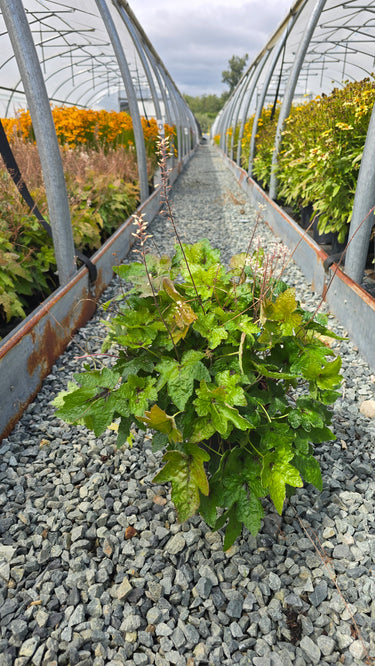
The leaves are dark green with a glossy finish, providing a beautiful backdrop for the vibrant flowers. The foliage may have attractive fall colors, turning shades of bronze or red as the season progresses.

Flower Description

Delicate spikes of fluffy pink flowers, resembling small bouquets, attract attention and add a soft, romantic touch to the garden.

Pruning & Maintenance

  • When to Prune: Prune back spent flowers after blooming to encourage new growth.

  • Pruning Tips: Remove any dead or damaged foliage in early spring to promote healthy growth.
Water Needs
  • Water Requirements: Keep the soil consistently moist, especially during the first growing season.
  • Frequency: Water regularly; ensure that the plant does not sit in waterlogged soil.
Light Needs

Thrives in partial shade to full shade. Morning sun with afternoon shade is ideal.

Harvesting

Not applicable; primarily ornamental.

Fertilizing

  • When to Fertilize: Early spring with a balanced, slow-release fertilizer.
  • Frequency: Once a year is generally sufficient.
Additional Care Tips
  • Mulching: Apply a layer of mulch in spring to retain moisture and suppress weeds.
  • Pests & Diseases: Generally pest-resistant, though occasional monitoring for slugs and snails is advised.
Pollination

Primarily insect-pollinated, attracting bees and butterflies.

Companion Plants

Heuchera (Coral Bells) – complementary foliage and similar light/moisture needs

Hosta – large-leaved backdrop to Tiarella’s delicate form

Pulmonaria (Lungwort) – early blooming, speckled foliage contrasts well

Ferns (e.g., Dryopteris, Athyrium) – add texture in shady, moist areas

Brunnera macrophylla – heart-shaped foliage and blue spring flowers for contrast

Astilbe – feathery flowers and moisture-loving habit make a natural pairing

Trillium – spring ephemeral that blooms around the same time

Epimedium – delicate foliage and drought tolerance beneath tree canopy

Carex (Sedge) – grassy texture that thrives in part to full shade

Flowering and Seasonality
  • Growth Season: Spring to Fall
  • Winter Interest: Foliage may die back, but the plant remains dormant and can be covered with mulch for protection.
  • Bloom Time: Late Spring to Early Summer (typically May to June).

Delicate spikes of fluffy pink flowers, resembling small bouquets, attract attention and add a soft, romantic touch to the garden.

Pet Friendly

Yes

Growing Zone
  • Zone 4
  • Zone 5
  • Zone 6
  • Zone 7
  • Zone 8
  • Zone 9

Click to enlarge