Growing Information

Growing zone guide
Growing Zone Zone 4, Zone 5, Zone 6, Zone 7, Zone 8
Sunlight Partial shade to full shade
Type of Soil Slightly acidic to neutral
Mature Height 6 to 12 inches
Maintenance Level Low maintenance
Water Requirement Moderate watering (once a week)

Learn more about this plant

Additional Information
Growth Rate

Moderate to fast; spreads quickly by stolons to form colonies


Best for naturalizing in shaded sites where controlled spread is welcome

Colorful Leaves No
Flowering Yes
Bloom Color White
Ornamental Berries N/A
Disease resistant Yes
Cold Tolerant Yes
Heat Tolerant No
Drought Tolerant No
Deer Resistant Yes
Edible No
Wildlife Attraction

Attracts bees, butterflies, and other pollinators with its nectar-rich white flowers


Dense mats provide cover for small invertebrates and beneficial insects

Self-pollinating Cross-pollinating
Seasonality

Spring: fresh green foliage emerges, followed by white flowers in late spring


Summer: flowers fade; foliage continues as lush groundcover


Fall: foliage remains green until frost, then yellows or dies back


Winter: dormant in colder climates; semi-evergreen in mild regions

Ideal For

– Shade groundcover, woodland gardens, underplanting bulbs, cottage gardens, fragrant dried foliage for crafts and potpourri

Leaf Description

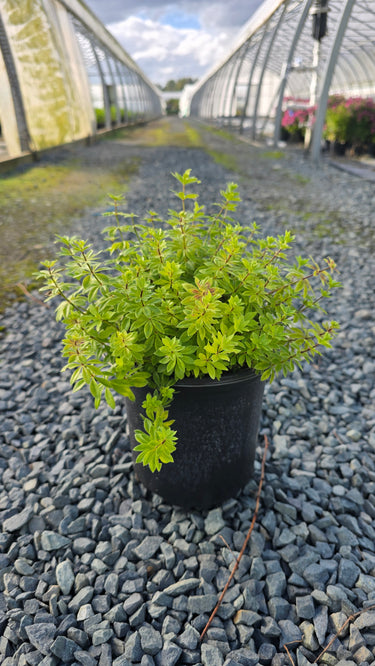
Whorls of lance-shaped, bright green leaves arranged in star-like patterns around stems


Leaves release a sweet, hay-like fragrance when crushed or dried


Forms dense carpets of fine-textured foliage

Flower Description

Small, star-shaped, pure white flowers bloom in loose clusters


Bloom time is late spring to early summer


Creates a delicate, frothy effect above foliage

Pruning & Maintenance
  • After flowering in late spring, shear plants back by one-third to encourage fresh foliage

  • Remove yellowed or damaged leaves to keep the groundcover tidy

  • Invasive in some conditions, so trim runners to contain spread

Water Needs

Prefers evenly moist soil; water regularly during establishment


Once established, moderately drought tolerant in shade, but prefers consistent moisture


Avoid prolonged dryness, which causes foliage to yellow

Light Needs

Thrives in partial to full shade; ideal under deciduous trees or in woodland gardens


Can tolerate morning sun in cooler regions if soil is consistently moist


Avoid hot, direct afternoon sun which scorches delicate leaves

Harvesting

Traditionally harvested for aromatic leaves, which are dried for use in potpourri, sachets, or herbal crafts


Leaves contain coumarin, giving them a sweet fragrance when dried


Used historically to flavor May wine in parts of Europe (not recommended in excess due to coumarin content)

Fertilizing

Low fertility needs; thrives in organically rich soils without heavy feeding


Top-dress with compost or leaf mold annually in spring to refresh nutrients


Avoid synthetic fertilizers, which can encourage weak, floppy growth

Additional Care Tips N/A
Pollination
  • Pollinated by bees, flies, and small insects attracted to nectar-rich flowers

  • Flowers are fertile and may self-seed in ideal conditions

Companion Plants
  • Shade-loving perennials such as Hosta, Pulmonaria, Tiarella, Brunnera, and Heuchera

  • Spring bulbs like Narcissus, Galanthus, and Tulipa, as Woodruff covers fading bulb foliage

  • Other groundcovers such as Lamium, Ajuga, and Pachysandra for layered carpets

  • Ferns (Dryopteris, Athyrium) for contrasting texture

Flowering and Seasonality

Spring: fresh green foliage emerges, followed by white flowers in late spring


Summer: flowers fade; foliage continues as lush groundcover


Fall: foliage remains green until frost, then yellows or dies back


Winter: dormant in colder climates; semi-evergreen in mild regions

Small, star-shaped, pure white flowers bloom in loose clusters


Bloom time is late spring to early summer


Creates a delicate, frothy effect above foliage

Pet Friendly

No

Growing Zone
  • Zone 4
  • Zone 5
  • Zone 6
  • Zone 7
  • Zone 8

Click to enlarge