Growing Information

Growing zone guide
Growing Zone Zone 4, Zone 5, Zone 6, Zone 7, Zone 8
Sunlight Bright light to partial shade
Type of Soil Slightly acidic to neutral
Mature Height 10 to 14 inches
Maintenance Level Moderate maintenance
Water Requirement Moderate watering (once a week)

Learn more about this plant

Additional Information
Growth Rate

Moderate; establishes into compact clumps within a season.


Expands slowly, benefitting from division every 3–4 years.

Colorful Leaves No
Flowering Yes
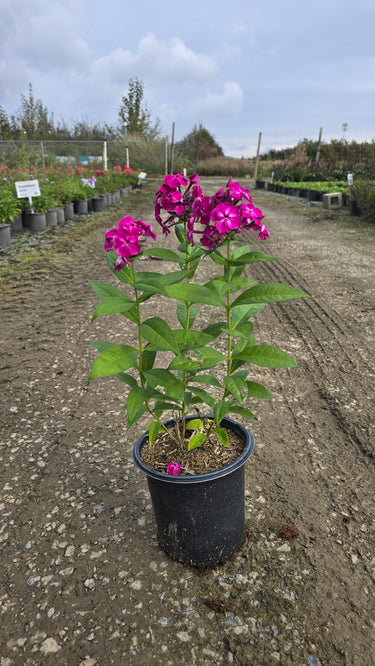
Bloom Color Pink
Ornamental Berries N/A
Disease resistant No
Cold Tolerant Yes
Heat Tolerant No
Drought Tolerant No
Deer Resistant Yes
Edible No
Wildlife Attraction

Nectar-rich flowers attract bees, butterflies, and hummingbirds.


Provides summer forage when pollinator activity is high.

Self-pollinating Cross-pollinating
Seasonality

Spring: foliage emerges, forming dense clumps.


Summer: peak bloom with vibrant pink-magenta flowers.


Fall: flowering tapers, foliage declines after frost.


Winter: dormant; crown rests underground until spring.

Ideal For

– Cottage gardens, pollinator gardens, borders, containers, cutting gardens, small urban gardens

Leaf Description

Narrow, lance-shaped, deep green foliage forms a dense, compact mound.


Leaves are prone to mildew in humid conditions if overcrowded.

Flower Description

Large, fragrant clusters of magenta-pink blooms with rich, saturated tones.


Compact inflorescences rise just above the foliage.


Blooms are long-lasting and excellent for cutting.

Pruning & Maintenance

Deadhead faded flowers to extend bloom time and encourage rebloom.


Cut stems back to the ground after frost or in early spring before new growth.


Pinching back young stems in spring can create bushier plants.

Water Needs
  • Requires consistent moisture, especially during summer.

  • Prefers evenly moist, well-drained soil; mulching helps retain soil moisture.

  • Avoid overhead watering to reduce mildew risk.

Light Needs

Prefers full sun (6+ hours daily) for maximum flowering.


Tolerates light afternoon shade, especially in warmer climates.

Harvesting

Excellent cut flower; harvest when one-third to one-half of florets are open.


Deadheading spent blooms promotes extended flowering.


Not typically dried for decorative use.

Fertilizing

Apply a balanced, slow-release fertilizer in spring.


A mid-summer feeding boosts continued blooming.


Avoid excessive nitrogen, which encourages foliage at the expense of flowers.

Additional Care Tips N/A
Pollination

Insect-pollinated, highly attractive to bees, butterflies, and hummingbirds.


Cross-pollination between varieties can occur, but cultivars are best propagated vegetatively.

Companion Plants

Summer bloomers such as Echinacea, Rudbeckia, Coreopsis, and Monarda.


Ornamental grasses like Pennisetum or Panicum for textural contrast.


Works well with Nepeta, Salvia, and Shasta Daisy in cottage or pollinator gardens.


Pairs beautifully with roses for continuous summer color.

Flowering and Seasonality

Spring: foliage emerges, forming dense clumps.


Summer: peak bloom with vibrant pink-magenta flowers.


Fall: flowering tapers, foliage declines after frost.


Winter: dormant; crown rests underground until spring.

Large, fragrant clusters of magenta-pink blooms with rich, saturated tones.


Compact inflorescences rise just above the foliage.


Blooms are long-lasting and excellent for cutting.

Pet Friendly

Yes

Growing Zone
  • Zone 4
  • Zone 5
  • Zone 6
  • Zone 7
  • Zone 8

Click to enlarge